
If you’ve ever opened your fridge, seen a tub of ricotta cheese, and wondered, “Can dogs eat ricotta cheese?”—you’re not alone.
Many dog owners get confused about dairy foods. Some cheeses are safe in small amounts, while others can upset a dog’s stomach or even cause long-term issues.
This guide clears up any confusion by explaining the benefits, potential risks, safe feeding guidelines, and healthier alternatives to ricotta cheese for dogs.
Quick Answer: Can Dogs Eat Ricotta Cheese?
Yes—dogs can eat ricotta cheese, but only in small, controlled amounts and not every day.
Ricotta is generally one of the safer cheeses for dogs because it is lower in fat and sodium compared to many other cheeses. However, it’s still dairy, and not all dogs digest it well.
That means:
- Safe in moderation
- Not suitable for all dogs
- Dangerous in large amounts
Now let’s understand what that really means for your dog’s health.
Read more: Can Dogs Eat American Cheese?
What Is Ricotta Cheese, and Why Dogs React to It?
Ricotta cheese is a soft, creamy cheese made from whey (the liquid left after milk is curdled and strained). It has a mild taste and a smooth texture, which is why it’s often used in pasta, desserts, and homemade recipes. Compared to many aged cheeses, ricotta is lighter and less salty, which is why dog owners often consider it a “safer” cheese option.
However, even though it seems gentle, dogs can still react to it due to how their digestive system handles dairy.

Why Dogs May React to Ricotta Cheese?
- Lactose content: Dogs have a limited ability to digest lactose, the natural sugar in milk products. Even small amounts of ricotta can trigger sensitivity in some dogs.
- Individual tolerance differences: Some dogs can handle small dairy amounts, while others react quickly with stomach upset.
- Richness of dairy: Even low-fat cheese can feel “heavy” to a dog’s digestive system if eaten too much at once.
- Sensitive stomachs: Dogs with digestive issues or food sensitivities are more likely to experience gas, loose stool, or discomfort after eating ricotta.
In simple terms, ricotta isn’t toxic—but your dog’s reaction depends entirely on how well their body handles dairy. Learn more about what human food dogs can eat.
Benefits of Ricotta Cheese for Dogs (When Given Correctly)
Ricotta cheese is not an essential part of a dog’s diet, but when offered occasionally and in small portions, it can provide a few nutritional benefits. Since it is softer, milder, and lower in fat than many hard cheeses, some dog owners use it as an occasional treat or meal topper.

Here are a few potential benefits of ricotta cheese for dogs:
1. High-Quality Protein
Ricotta contains protein that helps support:
- Muscle maintenance
- Tissue repair
- Daily energy needs
This can be especially useful for active dogs when given in moderation.
2. Calcium for Bones and Teeth
Like many dairy products, ricotta contains calcium, which supports:
- Strong bones
- Healthy teeth
- Normal muscle function
However, dogs should still get most of their calcium from a balanced dog food diet—not cheese.
3. Softer Texture for Picky Eaters
Some dogs that ignore dry kibble may become more interested in food when a small spoon of ricotta is mixed in. Its creamy texture can also help:
- Senior dogs with dental issues
- Dogs recovering from illness with reduced appetite
- Dogs taking medication hidden in food
4. Lower Fat Than Many Other Cheeses
Compared to cheeses like cheddar or cream cheese, plain ricotta is often:
- Lower in fat
- Less greasy
- Easier to digest for some dogs
That said, portion control still matters because too much dairy can quickly upset a dog’s stomach.
5. Useful in Homemade Dog Treats
Many homemade dog treat recipes use small amounts of ricotta because it blends well with dog-friendly ingredients like:
- Pumpkin
- Plain chicken
- Oats
- Small amounts of spinach
When used carefully, ricotta can be a tasty occasional addition—not a daily food.
Also read: Benefits of Egg Shells for Dogs
Risks of Feeding Ricotta Cheese to Dogs
Even though ricotta cheese is considered one of the milder cheese options, it still comes with several risks for dogs—especially when fed too often or in large amounts.
Some dogs handle small portions without any issues, while others may develop digestive problems after just a few bites.
Understanding these risks can help you decide whether ricotta is truly a good treat for your dog.

1. Digestive Upset (most common problem)
The biggest concern is lactose intolerance. Many dogs struggle to digest dairy products properly, including ricotta cheese. Common symptoms include:
- Diarrhea
- Gas
- Bloating
- Stomach pain
- Loose stool
- Vomiting in sensitive dogs
Dogs that rarely eat dairy are often more likely to react.
2. Too Much Fat Can Cause Health Issues
Although ricotta is lower in fat than many cheeses, it still contains enough fat to become a problem when overfed. Too much fatty food may contribute to:
- Weight gain
- Obesity
- Increased strain on joints
- Pancreatitis in sensitive dogs
This is especially risky for small breeds and less active dogs.
3. Added Salt and Preservatives in Store-Bought Ricotta
Commercial ricotta products may contain:
- Added sodium
- Artificial preservatives
- Stabilizers or flavor enhancers
Excess sodium is not healthy for dogs and can be more dangerous for pets with:
- Heart disease
- Kidney problems
- High blood pressure
4. Some Dogs Have Stronger Dairy Sensitivity Than Others
Every dog reacts differently to dairy foods. A dog that tolerates yogurt may still react poorly to ricotta. Dogs with:
- Sensitive stomachs
- Food allergies
- Digestive disorders
are usually more likely to experience side effects.
5. Risk of Overfeeding Because Dogs Love the Taste
Ricotta’s creamy texture and mild flavor make it highly appealing to many dogs. Because of this, owners may accidentally give too much without realizing how calorie-dense cheese can be.
Even safe treats can become unhealthy when portion sizes are ignored.
6. Flavored Ricotta Varieties May Contain Harmful Ingredients
Some ricotta products include added ingredients that are unsafe for dogs, such as:
These ingredients can be toxic and should always be avoided. Plain ricotta is the safest option if you decide to share a small amount.
You may also want to read: Risks of Feeding Strawberry Yogurt to Dogs
How to Prepare Dog-Safe Ricotta Cheese at Home?
Making dog-safe ricotta at home is simple and gives you full control over the ingredients. Homemade ricotta is usually safer because you can avoid:
- Salt
- Preservatives
- Garlic or onion
- Artificial flavorings

Ingredients
- 4 cups plain whole milk
- 2 tablespoons lemon juice or white vinegar
Preparation Steps
Here is what you need to follow to prepare safe ricotta cheese at home.
- Heat the milk: Warm the milk in a pot over medium heat until hot (not boiling).
- Add lemon juice or vinegar: Turn off the heat and stir it in slowly. The milk will separate into curds and liquid.
- Let it sit: Leave it for about 10 minutes.
- Strain: Pour the mixture through a cheesecloth or strainer to collect the soft curds.
- Cool before serving: Allow the ricotta to cool completely before giving it to your dog.
Safe Portion Guide
When feeding ricotta cheese to dogs, moderation is the key. Even though ricotta is milder than many other cheeses, too much can quickly lead to digestive upset, especially in dogs that are sensitive to dairy.
The safest approach is to treat ricotta as an occasional snack or food topper, not a regular part of your dog’s meals.
A helpful rule to remember:Treats, including cheese, should make up no more than 10% of your dog’s daily calorie intake.
It’s also important to introduce ricotta slowly. Some dogs may tolerate a small amount perfectly fine, while others may develop gas, diarrhea, or stomach discomfort after only a few bites.
Safe Portion Sizes
Portion size varies depending on the size of the dog, as explained below.
Small Dogs
Examples: Chihuahua, Pomeranian, Shih Tzu
- Start with: ½ to 1 teaspoon
- Maximum occasional serving: 1 teaspoon
Small dogs have more sensitive digestive systems, so portion control is especially important.
Medium Dogs
Examples: Beagle, Cocker Spaniel, Border Collie
- Start with: 1 teaspoon
- Maximum occasional serving: 1-2 teaspoons
Monitor your dog for any signs of digestive discomfort after feeding.
Large dogs
Examples: Labrador Retriever, German Shepherd, Golden Retriever
- Start with: 1-2 teaspoons
- Maximum occasional serving: 1 tablespoon
Larger dogs may handle dairy better, but excessive amounts can still cause stomach issues or unnecessary weight gain.
You can also use our Dog Age Calculator to understand your dog’s life stage better and adjust treats like ricotta cheese based on their age and health needs.
How Often Can Dogs Eat Ricotta Cheese?
Even if your dog enjoys ricotta and tolerates it well, you should still limit it.
Safe Frequency
- 1-2 times per week at most
- Not recommended as a daily treat
Feeding dairy too frequently may increase the risk of:
- Digestive upset
- Weight gain
- Excess calorie intake
How to Feed Ricotta Cheese Safely to Dogs?
To make ricotta safer for your dog:
- Choose plain, unsalted ricotta cheese
- Avoid flavored or seasoned varieties
- Feed small portions only
- Mix it with regular dog food instead of serving large spoonfuls
- Introduce it slowly if your dog has never eaten dairy before
Can Dogs Eat Ricotta Cheese and Spinach?
Yes, but with caution. Ricotta and spinach are sometimes used in homemade dog treats, and spinach itself is not toxic for dogs in small amounts.

When It’s Okay?
- Small portion of ricotta
- Lightly cooked spinach
- No salt, butter, garlic, or onion
Why Caution Is Needed?
- Spinach contains oxalates, which may affect dogs with kidney issues
- Combined dairy + fiber can cause stomach upset in sensitive dogs
So, can dogs eat ricotta cheese and spinach? Yes, but only occasionally and in very small amounts.
Is Cottage Cheese or Ricotta Better for Dogs?
This is a very common question.
Cottage Cheese (slightly better choice)
- Lower lactose than ricotta
- Higher protein
- Easier to digest for many dogs
Ricotta Cheese
- Softer texture
- Slightly higher fat and lactose
Put simply, cottage cheese is generally the better option, especially for dogs with sensitive stomachs.
What Other Cheeses Dogs Can and Can’t Eat?
Not all cheeses are equal when it comes to canine safety.
Safer Options (in strict moderation)
- Parmesan cheese
- Babybel cheese
- Provolone cheese
- Cottage cheese
- Cheddar cheese
- Plain mozzarella
- Swiss cheese
- Cream cheese
Risky Options
- Blue cheese (can be toxic)
- Very salty cheeses (feta, processed cheese slices)
- Flavored cheeses (garlic, onion, herbs)
When Should You Avoid Feeding Ricotta Cheese to Dogs?
While small amounts of plain ricotta may be safe for some healthy dogs, there are situations where it’s better to avoid it completely. Certain dogs are more sensitive to dairy and may experience stronger reactions even after eating a tiny portion.
If your dog falls into any of the categories below, ricotta cheese is usually not worth the risk.
1. Dogs with Lactose Intolerance
Many dogs struggle to digest lactose properly. If your dog has reacted badly to dairy products before, ricotta may trigger symptoms like:
- Diarrhea
- Gas
- Bloating
- Vomiting
- Stomach discomfort
In these cases, it’s best to avoid dairy altogether.
2. Dogs with Sensitive Stomachs
Some dogs naturally have delicate digestive systems and are easily affected by rich foods. Ricotta may worsen digestive issues in dogs that frequently experience:
- Loose stool
- Food sensitivities
- Chronic stomach upset
Even a small amount can sometimes cause discomfort.
3. Dogs with Pancreatitis or Obesity
Although ricotta is lower in fat than many cheeses, it still contains enough fat to be problematic for dogs with certain health conditions. High-fat foods can:
- Trigger pancreatitis flare-ups
- Increase unnecessary calorie intake
- Contribute to unhealthy weight gain
For overweight dogs, healthier low-calorie treats are usually a better option.
4. Dogs with Kidney or Heart Disease
Store-bought ricotta may contain added sodium, which can be risky for dogs with:
- Heart problems
- Kidney disease
- High blood pressure
These dogs often require carefully controlled diets, so you should only give extra dairy products with vet approval.
5. Very Young Puppies
Puppies have developing digestive systems that are often more sensitive to dairy products. Too much ricotta may cause:
- Diarrhea
- Digestive upset
- Nutritional imbalance if fed too often
If you want to introduce dairy to a puppy, it is safest to consult your vet first.
If you’re welcoming a new puppy, you can use our Dog Name Generator to quickly find creative and unique names for your newly born furry friend.
6. Dogs with Known Food Allergies
While true dairy allergies are less common than lactose intolerance, they can still happen. Possible allergy symptoms include:
- Itchy skin
- Ear infections
- Excessive licking
- Digestive problems
If your dog shows these signs after eating dairy, stop feeding ricotta and speak with your veterinarian.
What If My Dog Eats Too Much Ricotta Cheese?
If your dog accidentally eats too much ricotta cheese, don’t panic. In most cases, it causes only mild digestive upset, especially in otherwise healthy dogs. However, the reaction depends on:
- How much ricotta was eaten
- Your dog’s size
- Whether your dog is sensitive to dairy
- The ingredients in the ricotta (salt, seasonings, etc.)

A few extra licks may not cause any issues, but eating a large amount can lead to stomach problems within a few hours.
Signs That Your Dog Ate Too Much Ricotta Cheese
Reduce or stop feeding ricotta if you notice:
- Diarrhea
- Vomiting
- Gas or bloating
- Low energy
- Loss of appetite
- Lethargy
- Stomach rumbling
What to Do at Home?
If symptoms are mild, you can usually monitor your dog at home. Helpful steps include:
- Provide plenty of fresh water
- Avoid giving more dairy or rich treats
- Feed bland foods like boiled chicken and plain rice if needed
- Let your dog rest and monitor symptoms closely
Many dogs recover within 12-24 hours after mild overeating.
When to Call a Vet?
Contact your veterinarian if your dog:
- Vomits repeatedly
- Has severe diarrhea
- Appears weak or unusually tired
- Has a swollen or painful stomach
- Refuses to eat or drink
- Shows symptoms lasting longer than 24 hours
You should also call your vet immediately if the ricotta contained harmful ingredients like garlic or onion.
Prevention Tip
Dogs often love the creamy texture of ricotta, making it easy to accidentally overfeed them. To avoid problems:
- Store ricotta out of reach
- Feed only measured portions
- Avoid letting dogs lick large leftovers from plates or containers
A small amount is usually fine—but large servings can quickly turn a harmless treat into an upset stomach situation.
Real-World Example: What Many Dog Owners Experience?
Many dog owners report using ricotta as a “hidden pill carrier.” For example:
- A small spoon of ricotta mixed with kibble or used to hide medication often works well for picky eaters.
However, others notice:
- Even a small amount can cause loose stool in sensitive dogs, especially those not used to dairy products.
This shows the importance of testing small amounts first before making it a regular treat.
Better Alternatives to Ricotta for Dogs
If your dog doesn’t tolerate dairy well, safer alternatives include:
- Plain boiled chicken
- Carrot pieces
- Pumpkin (plain)
- Commercial dog treats
- Peanut butter (xylitol-free)
Final Words
Ricotta cheese can be a safe occasional treat for dogs, but only when given in small, controlled amounts and in its plain, unsalted form.
While it provides some protein and calcium, it is still a dairy product that many dogs may struggle to digest, leading to issues such as gas, diarrhea, or stomach upset.
Dogs with lactose intolerance, pancreatitis, obesity, or other health conditions should avoid it completely. Homemade ricotta can be a better option since it avoids additives, but portion control remains essential.
In short, ricotta is not necessary for a dog’s diet—it should only be an occasional reward, not a regular food item. Always prioritize your dog’s individual tolerance and overall health before offering dairy treats.
Frequently Asked Questions (FAQs)
A: Pregnant dogs can consume ricotta cheese in moderation, but it is recommended to consult a veterinarian for detailed nutritional advice.
Learn more about how to confirm pregnancy (link to this page when it is live) and what to feed a pregnant dog (link to this page when it is live).
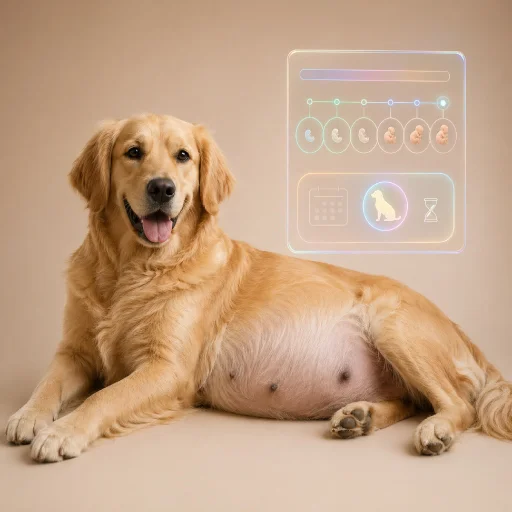
Moreover, you can use our Dog Pregnancy Calculator to get week-by-week signs and tips for every stage of your dog’s pregnancy.
A: No. You should only consider Ricotta as an occasional treat, not as part of your everyday diet. Feeding it daily can lead to digestive issues, weight gain, and unnecessary calorie intake.
A: Yes, you can include plain ricotta cheese in small amounts in a raw diet, but it is not a necessary part of it. Some raw feeders avoid dairy completely, while others use a little ricotta as an occasional protein or calorie boost. If your dog is lactose-sensitive, it is better to skip it.
A: Yes, you can mix a small amount of plain ricotta cheese with your dog’s regular food to make it more appealing or to hide medication. Just keep the portion small and avoid doing it daily to prevent stomach upset or extra calorie intake.
A: It is best to avoid giving ricotta to puppies unless recommended by a vet, as their digestive systems are more sensitive.
A: Plain, low-fat options like cottage cheese or small amounts of mozzarella are usually the safest choices for dogs.