

When your dog is diagnosed with kidney disease, feeding suddenly becomes stressful. You start questioning everything: Is chicken safe? Is rice okay? What if I make things worse?
You’re not alone—many dog owners feel overwhelmed, especially when their pet refuses prescription renal diets. The good news? With the right guidance, homemade dog food recipes for kidney disease can be both safe and nourishing.
This guide walks you through everything, from kidney-friendly nutrition basics to homemade recipes, portion guidance, and common mistakes to avoid. It helps you confidently feed your dog without second-guessing every bite.
Understanding the Kidney Disease in Dogs
Before we go ahead, let’s first look at what exactly this problem is, its causes, and symptoms. Kidney disease (also called renal disease) happens when your dog’s kidneys lose their ability to:
- Filter waste from the blood
- Balance fluids and electrolytes
- Regulate essential nutrients
It can be:
- Acute Kidney Failure (AKI): A sudden, rapid loss of kidney function in dogs, often caused by toxins, infections, or dehydration, and may be reversible if treated quickly.
- Chronic Kidney Failure (CKD): A slow, progressive decline in kidney function over time, usually irreversible and managed through long-term diet and care.
Common Causes
- Aging (most common in senior dogs)
- Toxins (e.g., certain foods or medications)
- Infections
- Genetic predisposition
Symptoms to Watch For
- Increased thirst and urination
- Loss of appetite
- Weight loss
- Vomiting
- Lethargy
These symptoms often appear gradually, which is why diet becomes even more critical early on.
Nutritional Needs of Dogs with Kidney Disease
The goal of a kidney-friendly diet is simple “Reduce stress on the kidneys while keeping your dog nourished.”

Key Dietary Goals
- Lower toxin buildup
- Maintain energy and weight
- Support hydration
- Slow disease progression
Essential Nutrients
What dogs (experiencing kidney failure) need is:
- Low but high-quality protein: Maintaining balance is key, as:
- Too much protein = more waste for kidneys
- Too little protein = muscle loss
- Low Phosphorus: High phosphorus accelerates kidney damage.
- Moderate Healthy Fats: Provide energy without stressing kidneys
- Controlled Sodium: Helps manage blood pressure
- Omega-3 Fatty Acids: They:
- Reduce inflammation
- Support kidney function
- Higher Moisture: Dogs with kidney disease dehydrate easily. Homemade food helps because it naturally contains water.
Best Ingredients for Kidney-Friendly Dog Food
Here is what you can use while preparing homemade food for dogs with kidney disease.
1. Protein (Low-Phosphorus Options)
- Egg whites (excellent choice)
- Skinless chicken (boiled)
- Turkey
2. Carbohydrates
- White rice (easy to digest)
- Pasta
- Potatoes
3. Vegetables
- Carrots
- Green beans
- Pumpkin
4. Healthy Fats
- Fish oil
- Olive oil
If your dog requires stricter protein control, these low protein homemade dog food recipes for kidney disease can help reduce kidney strain while still providing essential nutrients.
Read more: What Human Food Can Dogs Eat?
Ingredients to Avoid
Avoid these in homemade kidney diets:
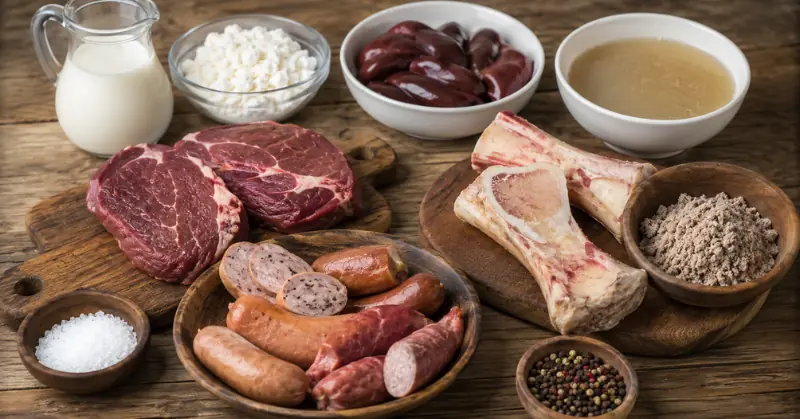
- Dairy products
- High-sodium broths
- Organ meats (very high phosphorus)
- Red meat (in excess)
- Bones or bone meal
- Processed or salty foods
- Anything containing high phosphorus levels, high salt, or high protein
Best Homemade Dog Food Recipes for Kidney Disease
If you are searching for reliable homemade dog food recipes to treat kidney disease, below are the four effective options to proceed with:
Recipe 1: Egg White & Potato Mix (Low Protein Option)
Best for: Dogs needing lower protein intake
Ingredients
- 2 egg whites (cooked)
- 1 cup boiled potatoes (peeled)
- ¼ cup zucchini
- 1 tsp fish oil
Instructions
- Scramble egg whites (no salt/butter)
- Mash potatoes
- Add steamed zucchini
- Mix with fish oil
IMAGE SHOWING EGG WHITE & POTATO MIX FOR DOGS
Why It Works?
- Egg whites = high-quality, low-phosphorus protein
- Great option for low protein homemade dog food recipes for kidney disease
Recipe 2: Chicken & Rice Kidney-Friendly Meal
Best for: Dogs in early to moderate stages
Ingredients
- 1 cup cooked white rice
- ½ cup boiled chicken (shredded, skinless)
- ¼ cup steamed carrots
- 1 tbsp olive oil
- ½ cup water or low-sodium broth
Instructions
- Cook rice thoroughly (soft texture is easier to digest)
- Boil chicken without salt
- Steam carrots until soft
- Mix everything and add oil + water
IMAGE SHOWING CHICKEN & RICE FOR DOGS
Why It Works?
- Balanced protein
- Low phosphorus
- Easy on digestion
Recipe 3: Turkey & Pumpkin Stew
Best for: Dogs with poor appetite or sensitive digestion

Ingredients
- ½ cup ground turkey
- ½ cup pumpkin puree
- ½ cup white rice
- 1 tsp olive oil
Instructions
- Cook turkey thoroughly
- Prepare rice separately
- Mix with pumpkin and oil
IMAGE SHOWING TURKEY & PUMPKIN STEW FOR DOGS
Why It Works?
- Gentle on stomach
- Supports digestion
- Good for picky eaters
Recipe 4: Fish & Sweet Potato Recipe
Best for: Dogs needing anti-inflammatory support
Ingredients
- ½ cup cooked white fish (boneless)
- ½ cup mashed sweet potato
- ¼ cup green beans
- 1 tsp fish oil
Instructions
- Steam or bake fish
- Boil sweet potatoes
- Mix with vegetables and oil
IMAGE SHOWING FISH & SWEET POTATO FOR DOGS
Why It Works?
- Rich in omega-3
- Anti-inflammatory
- Supports kidney health
Recipe 5: Vegetarian Kidney-Friendly Meal
Best for: Dogs with poor tolerance to meat proteins

Ingredients
- 1 cup white rice
- ½ cup pumpkin
- ¼ cup carrots
- 1 tsp olive oil
IMAGE SHOWING VEGETERIAN MEAL FOR DOGS
Why It Works?
- Reduced phosphorous intake
- Supports digestion
- Helps appetite stability
When to Use?
- For dogs needing very low protein intake
- Short-term or vet-supervised diets
Special Case: Recipes for Pancreatitis + Kidney Disease
This combination requires:
- Low fat
- Moderate protein
- Low phosphorus
If you are searching for homemade dog food recipes for pancreatitis and kidney disease, try the follwing meal options:
- White rice
- Boiled chicken (very small portion)
- Pumpkin puree
- Water
Note: Ensure to keep fat minimal and feed smaller, frequent meals
Feeding Guidelines & Portion Control
Now that you are familiar with the best homemade food recipes for dogs with kidney disease, it is time to know how much should feed. The portion size mainly depends on three factors, as mentioned below.
- Weight
- Activity level
- Stage of kidney disease
General Tips
- Small dogs: ½-1 cup per day
- Medium dogs: 1-2 cups
- Large dogs: 2-4 cups
Things to Remember
- Feed smaller meals (2-4 times daily)
- Avoid overfeeding protein
- Monitor weight and appetite weekly
Tip: Track your dog’s progress using tools like our Dog Age Calculator or health logs to adjust feeding over time.
If you’re managing a pregnant dog (link to this page when it is live)alongside special dietary needs, try our Dog Pregnancy Calculator to track each stage and adjust nutrition accordingly.
Learn more: How to Feed Chicken Feet to Dogs?
Benefits of Homemade Food for Dogs with Kidney Disease
Feeding homemade dog food has several noticeable advantages for dogs with kidney failure, as listed below.

1. Full Quality Control
- You choose every ingredient, so you avoid:
- low-quality fillers
- excess salt or preservatives
- hidden phosphorus additives (common in commercial foods)
- This is important because kidney dogs are very sensitive to mineral imbalances
2. Customization for Disease stage
- Diet can be adjusted based on:
- CKD stage (early, moderate, advanced)
- appetite and weight loss
- blood test results (phosphorus, creatinine, etc.)
- Example:
- early stage → moderate protein
- late stage → low protein, highly controlled phosphorus
3. Better Control of Protein and Phosphorus
- Kidney disease management depends heavily on these two nutrients (protein and phosphorus)
- Homemade diets allow:
- choosing low-phosphorus proteins (egg whites, fish in small amounts)
- reducing or increasing protein precisely
4. Improved Palatability (taste & smell)
- Dogs with CKD often lose appetite
- Freshly cooked meals are usually:
- more aromatic
- more appealing
- This can help maintain calorie intake and body weight
5. Easier Hydration Support
- Homemade meals often contain:
- higher moisture (stews, boiled foods)
- This helps kidney dogs because hydration is critical for kidney function
6. Fewer Additives and Toxins
- No artificial preservatives, colorants, or excess sodium
- Reduces unnecessary stress on already weakened kidneys
7. Nutrient Flexibility (with proper planning)
- Diet can include supportive additions like:
- omega-3 fatty acids (fish oil)
- fiber (pumpkin, sweet potato)
- controlled carbs for energy
While homemade dog food for renal illness has various advantages, contacting a veterinarian or veterinary nutritionist is essential to fulfil your dog’s dietary needs.
They can better guide you on component choices, portion sizes, and any supplements required to arrange a balanced diet for your pet.
Also read: Benefits of Tilapia Fish for Your Dog
Can Homemade Diets Replace Prescription Food?
This is one of the most important—and most misunderstood—questions dog owners ask after a kidney disease diagnosis.
The short answer is: sometimes, but only with vet guidance. Plus, it is not for every dog.
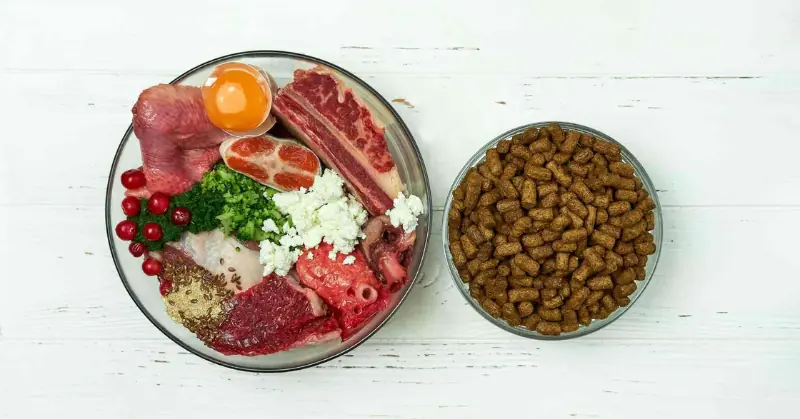
Prescription Renal Diets
They are specifically designed by veterinary nutritionists to control protein, phosphorus, sodium, and essential nutrients in very precise amounts. They are clinically tested to support dogs with kidney disease over the long term. Key points:
- Convenient
- Clinically tested
- Less variety
Homemade Diets
Homemade dog food offers flexibility and can be easier for picky eaters. Many dogs that refuse commercial renal food will happily eat fresh, home-cooked meals. This can improve appetite, hydration, and overall quality of life—especially in early to moderate stages. Key points:
- Fresh ingredients
- Customizable
- Requires planning
However, there’s an important catch: Even well-intentioned homemade meals can become unbalanced if key nutrients aren’t carefully managed. Too much protein, excess phosphorus, or missing supplements can quietly put extra stress on already weakened kidneys.
That’s why most veterinarians recommend one of these approaches:
- Use prescription renal food as the primary diet, and supplement occasionally with vet-approved homemade meals
- Or switch to a fully homemade diet only when it is carefully formulated by a vet or veterinary nutritionist
Remember that every dog has a different situation, so what’s suitable for one dog might not work for another. Always seek advice from a licensed vet or veterinary nutritionist who has expertise in creating customized diets.
Professional vets offer insightful advice, assist in developing wholesome meals, and keep track of the dog’s development to ensure the food successfully promotes kidney health.
Real-Life Example
A dog owner shared that their senior Labrador completely refused prescription kidney food. They switched to a chicken-rice homemade diet, gradually improving appetite and energy levels.
However, after a few months, their vet adjusted the recipe to:
- Reduce chicken slightly
- Add egg whites
- Include omega-3 oil
Takeaway: Homemade works—but fine-tuning matters.
Why Homemade Dog Food May Not Be The Best Choice?

Before choosing homemade meals for a dog with kidney disease, consider these practical challenges:
- Time-consuming: Preparing balanced meals regularly (daily or weekly) takes significant time and effort
- Higher cost: High-quality, kidney-safe ingredients can be more expensive than premium commercial diets
- Hard to maintain consistency: Keeping nutrients (protein, phosphorus, calcium) balanced in every meal is difficult
- Requires ongoing vet guidance: Regular checkups and diet adjustments are necessary to avoid deficiencies or imbalances
Common Mistakes to Avoid
- Giving salty treats
- Sudden diet changes
- Feeding too much protein
- Ignoring phosphorus levels
- Skipping vet consultation
Final Words
Caring for a dog with kidney disease can feel overwhelming, but the right nutrition gives you a powerful way to support their health and comfort.
By understanding what your dog’s body needs—and what to avoid—you can confidently prepare meals that are gentle on the kidneys while still being enjoyable to eat.
Whether you choose simple recipes like rice and egg whites or a balanced mix of lean protein and vegetables, the goal is to reduce strain on the kidneys while maintaining strength and energy.
Remember, you don’t have to get everything perfect from day one. Start with safe, vet-informed choices, observe how your dog responds, and adjust gradually with professional guidance.
Homemade diets can be a meaningful way to care for your dog, especially when paired with regular vet checkups and monitoring.
Welcoming a new pup into your life? Use our Dog Name Generator to find the perfect name that matches your pup’s personality.
Frequently Asked Questions (FAQs)
Q: What is the best homemade food for dogs with kidney disease?
A: The best option is a low-phosphorus, moderate-protein, low-sodium meal. Simple combinations like white rice, egg whites, lean chicken (in small amounts), and kidney-safe vegetables work well. Always aim for balance and consult your vet for long-term feeding.
Q: Are scrambled eggs good for dogs with kidney failure?
A: Yes—but only egg whites are ideal. Yolks contain more phosphorus.
Q: Is chicken safe for dogs with kidney disease?
A: Yes, but in small, controlled portions. Chicken provides protein, which should be moderated—not eliminated—in kidney diets. Too much can increase waste buildup.
Q: Can dogs with kidney disease eat rice?
A: Absolutely. White rice is one of the best carbohydrate sources because it’s easy to digest and low in phosphorus, making it ideal for kidney-friendly meals.
Q: What human food can I feed a dog with kidney disease?
A: Safe options include:
- Rice
- Potatoes
- Carrots
- Egg whites
- Small amounts of chicken
Q: Can I give homemade sausages to my dog with kidney disease?
A: Not recommended. Even homemade sausages are usually high in fat, salt, and phosphorus, which can put extra strain on the kidneys and increase health risks.
Q: Can I increase the amount of milk I feed my dog with kidney disease?
A: No. Milk contains phosphorus and lactose, which can worsen kidney issues and may cause digestive upset. Small amounts are sometimes okay, but increasing it is not advised.
Q: Can kidney disease in dogs be reversed?
A: No—kidney damage is usually not reversible, but it can be managed and slowed down with proper diet and care.
Q: How can I stop kidney disease from progressing?
- Feed a kidney-friendly diet
- Keep your dog hydrated
- Follow vet recommendations
- Monitor bloodwork regularly
Q: How do I know if the diet is working?
A: Signs your dog is doing well include:
- Stable weight
- Improved appetite
- Better energy levels
- Stable lab results (creatinine, BUN)
Regular vet checkups are essential.
Q: Is wet or dry food better for dogs with kidney disease?
A: Wet homemade food is generally better because it provides more moisture, helping prevent dehydration and supporting kidney function.
Q: Can dogs live long with kidney disease?
A: With proper diet and care, many dogs live months to years comfortably.