When your dog is expecting, her nutritional needs change in ways that directly impact the health of her puppies—and her own recovery. Many owners feel overwhelmed trying to figure out what to feed a pregnant dog, when to adjust portions, and which foods are truly safe.
This guide removes that confusion. You will get stage-by-stage feeding advice, clear explanations of essential nutrients, and practical tips (both commercial and homemade). It helps you confidently support your dog through pregnancy—and beyond.

Why Nutrition Matters So Much During Dog Pregnancy?
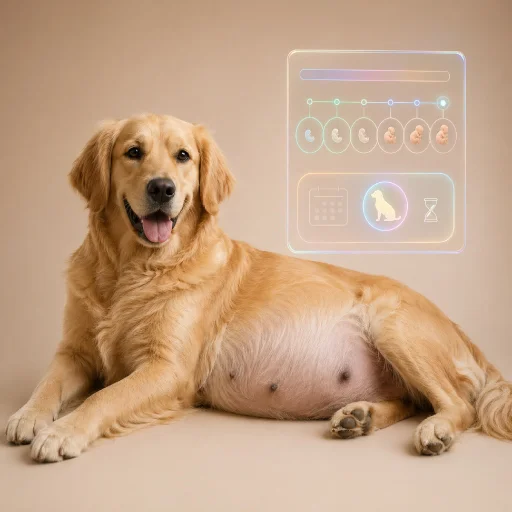
A dog’s pregnancy lasts about 58-68 days (roughly 9 weeks), but in that short window, her body goes through intense internal changes.
What you feed her during this time doesn’t just “support” pregnancy—it directly shapes the health, strength, and survival of her puppies, as well as her ability to recover after birth. During this time:
- Puppies develop rapidly—especially in the final 3 weeks
- The mother’s energy needs can increase by 30-60%
- Poor nutrition can lead to:
- Weak or underweight puppies
- Low milk production
- Complications during birth
On the other hand, a well-fed pregnant dog is more likely to have:
- A smoother pregnancy
- Healthier, more active puppies
- Faster postpartum recovery
Simply put, what you feed your pregnant dog directly shapes the outcome of her pregnancy.

If you are unsure about your dog’s due date or current stage, our Dog Pregnancy Calculator helps you track pregnancy week-by-week so you can adjust feeding and care accordingly. You can use this smart tool to estimate your dog’s delivery date and better plan nutrition, especially during the critical late pregnancy stage.
Stage-Wise Feeding Guide
Feeding a pregnant dog isn’t about simply giving “more food”—it is about feeding smarter at the right time. Each stage of pregnancy comes with different nutritional demands, and adjusting your dog’s diet accordingly is the key to avoiding common problems like undernourished puppies or excessive weight gain.
Think of it this way:
- Early pregnancy is about stability
- Mid pregnancy is about gradual buildup
- Late pregnancy is about high energy and efficiency
By following a stage-wise approach, you can:
- Prevent nutritional deficiencies
- Support proper fetal development
- Avoid overfeeding or underfeeding
- Prepare your dog for smooth delivery and strong lactation
Let’s break it down step by step:
1. Early Pregnancy (Weeks 1-3)
At this stage, not much changes externally—but internally, embryos are forming. If you are not completely sure whether your dog is pregnant, this detailed guide on Dog Pregnancy Test can help you confirm it before adjusting her diet.
What to Feed?
- Continue high-quality adult dog food
- Focus on:
- Balanced protein
- Essential vitamins
- Digestibility
Key tip: Do NOT increase food quantity yet, as overfeeding early can lead to unnecessary weight gain and increased risk of difficult delivery.
2. Mid Pregnancy (Weeks 4-6)
This is where things start to change.
- Puppies begin growing faster
- Appetite may increase
- Slight weight gain becomes noticeable
What Food to Feed a Pregnant Dog Now?
- Gradually introduce high-quality, energy-dense puppy food
- Increase food intake by 10-20%
Why Give Puppy Food?
Because it contains:
- Higher protein
- More calories
- Docosahexaenoic Acid (DHA) for brain development
As far as feeding frequency is concerned, shift to 3 meals per day.
3. Late Pregnancy (Weeks 7-9)
This is the most critical stage.
- Puppies grow rapidly (about 70% of growth happens here)
- The mother’s stomach space decreases due to enlarged uterus
What to Feed a Pregnant Dog for Healthy Puppies?
- Fully switch to puppy or performance dog food
- Increase calories by 30-50%
- Feed small, frequent meals (3-4 times daily)
Best Foods At This Stage
- High-protein diets
- Easily digestible meals
- Energy-rich foods
Real-world example: Many experienced breeders notice that dogs in late pregnancy prefer smaller meals more often because they physically can’t eat large portions.
Essential Nutrients Your Pregnant Dog Needs
When people ask what to feed my pregnant dog to eat, the real answer isn’t just specific foods—it is nutrients. The right balance of nutrients ensures your dog stays healthy and her puppies develop properly at every stage. Think of nutrients as the building blocks behind everything:
- Puppy growth
- Brain development
- Energy levels
- Milk production after birth
Even if you are feeding high-quality food, understanding these essentials helps you avoid common mistakes like over-supplementing or choosing the wrong diet. Understanding nutrients removes guesswork.
1. Protein
Protein is the most critical nutrient during pregnancy. It directly supports:
- Fetal tissue growth
- Muscle development
- Organ formation
How Much Is Needed?
Pregnant dogs require higher-than-normal protein levels, especially in mid to late pregnancy.
Best Sources
Why it matters? Low protein can lead to weak puppies and poor development, while high-quality protein ensures stronger, healthier litters.
Read more: What Meat and Seafood Can Dogs Eat?
2. DHA
DHA (an omega-3 fatty acid) plays a crucial role in:
- Brain development
- Vision development
- Cognitive function in puppies
Natural Sources
- Fish (like salmon)
- Fish oil supplements (vet-approved only)
- DHA-enriched puppy food
Puppies born to mothers with adequate DHA often show better learning ability and responsiveness later.
3. Calories (Energy)
Pregnancy significantly increases your dog’s energy demands—especially in the final weeks.
What Happens Without Enough Calories?
- Weight loss in the mother
- Smaller or weaker puppies
- Low milk production after birth
Smart Approach
Instead of just feeding more volume, focus on: calorie-dense foods (like puppy food). These provide more energy without overfilling your dog’s stomach.
4. Calcium (Balanced, Not Excessive)
This is where many pet owners go wrong. What is important here is “Do NOT give extra calcium supplements unless advised/suggested by your vet.” These minerals are essential for:
- Bone development in puppies
- Muscle function in the mother
Why is That Tisky?
Too much calcium can:
- Disrupt natural calcium regulation
- Lead to eclampsia (a dangerous condition after birth)
Best practice: Stick to balanced commercial food that already contains proper calcium levels.
5. Water
Hydration is just as important as food.
Why It Matters?
- Supports nutrient absorption
- Maintains amniotic fluid levels
- Prepares the body for milk production
Always provide clean, fresh water 24/7 to avoid dehydration, as it can badly affect milk production later.
Iron (Supports Healthy Blood)
Iron helps:
- Prevent anemia in the mother
- Support oxygen transport to developing puppies
Sources
- Meat (especially red meat in moderation)
- Organ meats (small amounts only)
Vitamins (A, D, E, B-Complex)
Vitamins support overall health and development:
- Vitamin A: Vision and immune health
- Vitamin D: Calcium absorption
- Vitamin E: Cell protection
- B vitamins: Energy metabolism
A well-formulated dog food usually covers these—avoid random supplementation.
What to Feed a Pregnant Dog? Best Food Options
Once you understand the nutrients your dog needs, the next question becomes much more practical: What food should you actually put in her bowl every day?
What is best to feed a pregnant dog? The ideal approach is to focus on safe, balanced, and easily digestible food options that match her stage of pregnancy.
Whether you choose commercial food, homemade meals, or a mix of both, the goal is simple: Provide consistent, high-quality nutrition that supports both the mother and her developing puppies.
If you are considering adding fresh foods to your dog’s diet, this complete guide on What Human Foods Can Dogs Eat can help you understand what’s safe and what to avoid.
Commercial Dog Food (Recommended)
Look for:
- “All life stages” or puppy formula
- AAFCO-approved labels
- High protein (25-30%+)
Benefits
- Nutritionally balanced
- Easy to manage
- Most vets recommended it
Homemade Food Options (Safe Choices)
If you prefer homemade meals:
Safe Ingredients
- Boiled chicken (no seasoning)
- Cooked rice
- Eggs (fully cooked or scrambled)
- Pumpkin (for digestion)
- Sweet potatoes

You can also include certain fruits in moderation—check this detailed list of What Fruits Can Dogs Eat to make safe choices for your pregnant dog.
For vegetables and plant-based additions, refer to this guide on What Vegetables and Legumes Can Dogs Eat to ensure everything you add is safe and beneficial.
Sample Meal Idea
- Boiled chicken + rice + small amount of vegetables
Keep it simple, balanced, and clean.
What Not to Feed a Pregnant Dog?
This is critical for safety. What are 5 foods to avoid while pregnant? It is one of the commonly asked questions by dog owners. Here is what you should not feed your dog during pregnancy:
- Onions
- High-fat junk food
- Raw eggs
- Chocolate
- Grapes & raisins
- Garlic
- Raw meat (risk of bacteria)
- Excess liver (too much vitamin A)
- Excess fatty scraps

What to Feed a Pregnant Dog to Produce Milk?
Milk production (lactation) doesn’t start at birth—it is heavily influenced by what you feed your dog during the final weeks of pregnancy. If her diet is lacking in calories, protein, or hydration, it can directly affect both the quantity and quality of her milk.
Why Nutrition Before Birth Matters?
During late pregnancy (weeks 7-9), your dog’s body is preparing for two demanding tasks:
- Delivering puppies
- Producing nutrient-rich milk immediately after birth
If her nutritional reserves are low, she may struggle with:
- Weak or delayed milk production
- Poor-quality milk (low nutrients for puppies)
- Fatigue and slow recovery
Best Foods for Milk Production
- Puppy food (high-calorie, high-protein, balanced with essential vitamins and minerals )
- Eggs (nutrient-dense source of fats, protein, and essential amino acids)
- Chicken (rich in essential nutrients, protein)
- Fish (high protein and essential nutrients like omega-3 fatty acids)
- Plenty of water (prevents dehydration, supports high metabolic demands)

Note: After birth, calorie needs may double or even triple.
Feeding Guide After Birth
This is another critical period when a dog needs extra care to keep herself and her puppy healthy. The question many dog owners frequently ask is, “What food to give to a mother dog after giving birth?” Here is what you should do:
- Continue puppy food (high in calories and protein, rich in nutrients)
- Increase feeding frequency to 3-4 meals/day
- Provide constant access to food (free feeding in some cases)
Why?
Producing milk requires massive energy, as nursing dogs burn calories constantly. Frequent access to meals prevents energy dips.

Portion Control & Weight Management
Feeding a pregnant dog isn’t just about what you give—it is also about HOW MUCH. Getting portion sizes right is crucial because both overfeeding and underfeeding can lead to serious problems for the mother and her puppies.
Many dog owners struggle here. Some increase food too early, while others don’t increase enough when it actually matters. The goal is to maintain steady, healthy weight gain—not rapid or excessive fat gain.
Why Portion Control Matters?
Proper portion management helps:
- Support healthy fetal development
- Prevent obesity-related birthing complications
- Maintain the mother’s strength and energy
- Ensure adequate milk production after birth
Think of it as a balance:
Too little food → weak puppies
Too much food → difficult delivery
How Much Weight Should a Pregnant Dog Gain?
Weight gain depends on your dog’s size and breed, but general guidelines are:
- Small Breeds: 15-25% increase in body weight
- Medium Breeds: 15-25% increase
- Large Breeds: 10-20% increase
Note: Most of this weight gain happens in the last 3 weeks of pregnancy, not at the beginning.
How to Adjust Portions by Stage?
The table below provides the necessary guidelines.
| Pregnancy Stage | Portions | Focus On |
| Early | Keep unchanged | Maintining current weight |
| Mid | Increase by 10-20% | Monitoring appetite & body condition |
| Late | Increase by 30-50% | Switching to smaller, more frequent meals |
Watch For
- Sudden excessive weight gain → overfeeding
- No weight gain → underfeeding
Understanding your dog’s age can help you fine-tune her nutritional needs—try our Dog Age Calculator to quickly convert her age into human years. Since nutritional requirements vary with age, this tool gives you better insight into whether your dog needs additional dietary support during pregnancy.
Feeding Frequency Guide
Wondering how many times should you feed a pregnant dog a day? Well, it actually depends on what stage of pregnancy your dog is in, as each stage have different requirements, as shown in the table below.
| Pregnancy Stage | Frequency |
| Early | 2 meals per day |
| Mid | 3 meals per day |
| Late | 3-4 small meals per day |
Signs You’re Feeding Your Pregnant Dog Correctly
Look for:
- Steady, healthy weight gain
- Good appetite
- Shiny coat
- Normal energy levels
- Healthy puppy development (confirmed by your vet)
When to Talk to a Vet?
Always consult a vet if:
- Appetite drops suddenly
- Rapid weight loss or gain
- Vomiting or diarrhea
- Weakness or lethargy
Final Thoughts
Feeding a pregnant dog doesn’t have to be confusing. If you remember just a few key principles, you will already be ahead of most pet owners:
- Don’t overfeed early
- Switch to puppy food gradually
- Increase calories in late pregnancy
- Avoid unnecessary supplements
- Focus on quality, not just quantity
When done right, proper nutrition leads to healthier puppies, easier delivery, and stronger recovery.
Once your puppies arrive, you can use our fun Dog Name Generator to discover unique and adorable names for your new furry family members. It is a great way to celebrate the arrival of your puppies while finding the perfect names that match their personality and appearance.
Frequently Asked Questions (FAQs)
A dog’s pregnancy typically lasts 58-68 days, with most dogs giving birth around day 63.
High-quality puppy food, small frequent meals, and protein-rich options like chicken, eggs, and fish are ideal for energy and easy digestion.
Yes—fully cooked scrambled eggs are safe and a great protein source.
- Puppy food
- Chicken
- Fish
- Eggs
- Rice
- Chicken (lean & digestible)
- Turkey
- Fish (for DHA)
- High-protein diets
- Plenty of water
- Puppy food
- Omega-3 rich foods
Anything toxic, raw, or unbalanced—especially:
- Chocolate
- Grapes
- Raw meat
- Excess supplements
- Don’t restrict food
- Don’t switch diet suddenly
- Don’t ignore hydration
- Don’t over-handle puppies early