
As dog owners, we constantly walk a fine line between wanting to share healthy foods and fearing we might accidentally harm our pets. One moment you are enjoying fresh summer fruit, and the next you are wondering: Can dogs eat apricots—or are apricots dangerous for dogs?
If you have searched online, you have probably encountered conflicting advice. Some sources say apricots are safe in small amounts. Others warn they are toxic and should be avoided completely.
That confusion leaves many dog parents anxious, unsure what parts are safe, how much is too much, or what to do if their dog eats an apricot by accident.
This article removes that confusion. Everything here is written with a safety-first, vet-informed approach, designed to help you protect your dog’s health — without fear, guilt, or guesswork.
If you are welcoming a new puppy into your home, this free dog name generator can help you quickly find unique, meaningful names that match your dog’s personality and breed.
Quick Answer: Can Dogs Eat Apricots?
Yes, dogs can eat apricots — but only the fresh flesh and only in very small amounts. While the soft, ripe part of an apricot is not toxic to dogs, the fruit as a whole carries significant risks that every dog owner should understand before offering even a bite.
Apricot pits, seeds, stems, and leaves contain cyanogenic compounds that can release cyanide when the plant material is chewed or otherwise damaged. The pit also presents a separate choking and intestinal blockage risk if swallowed.
In addition, apricot pits pose a serious choking and intestinal blockage hazard, especially for small and medium-sized dogs that may swallow them whole. Some dogs may swallow fruit quickly or attempt to swallow pits whole. This may increase the risk of choking or intestinal obstruction (as explained later in this guide).
Even when the pit is completely removed, apricots should only be given:
- Occasionally, not regularly
- In very small portions
- Plain, fresh, and fully ripe
- Under supervision
The easiest way to understand apricot safety is to look at each part separately:
| Apricot Part | Safe for Dogs? | Concern |
| Fresh flesh | Yes (in small amounts) | Overfeeding may lead to digestive upset |
| Skin | Generally yes | Wash thoroughly. Serve in moderation. |
| Stem | No | Cyanogenic compounds |
| Pit/stone | No | Intestinal blockage and choking |
| Leaves | No | Cyanogenic compounds |
| Kernel/seed | No | Cyanide exposure if chewed |
Read more: Can Dogs Eat Figs?
Why Are Apricots So Confusing for Dog Owners?
Apricots confuse many dog owners because they fall into a gray area of pet food safety — they are not entirely toxic, yet not clearly safe either.
Unlike foods that are outright dangerous (like chocolate) or clearly dog-friendly (like blueberries), apricots contain both safe and harmful parts, which makes guidance feel inconsistent and often contradictory.
One major source of confusion is that the apricot flesh itself is not poisonous, leading some sources to label apricots as “safe for dogs.” However, the pit, seed, stem, and leaves contain cyanogenic compounds that can release cyanide when chewed or digested.
Many online sources fail to clearly separate these distinctions, leaving owners unsure whether apricots are safe or dangerous overall.
Another reason apricots are confusing is how dogs eat compared to humans. People naturally remove the pit and eat fruit slowly, but dogs tend to gulp food quickly, increasing the risk of swallowing pits whole. This real-world behavior isn’t always considered in simplified online advice.
Finally, conflicting information about fresh versus dried apricots adds to the uncertainty. You will see the clarification later in this guide.
Also read: What Human Food Can Dogs Eat?
Apricot Nutrition: Is There Any Benefit for Dogs?
Fresh apricots contain several nutrients that are beneficial for humans and may offer limited benefits for dogs when fed in very small amounts. This nutritional profile is often why apricots are sometimes described as a “healthy” or “natural” treat.
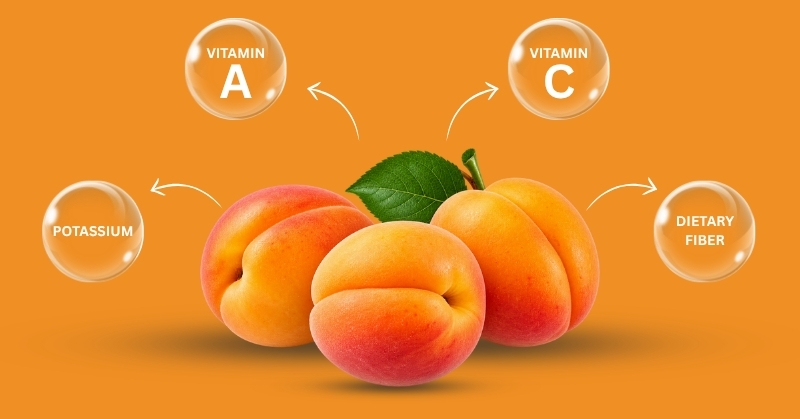
Key Nutrients
Here is a breakdown of the key nutrients found in fresh apricot flesh and what they do for dogs:
- Vitamin A: It supports eye health, immune function, and healthy skin and coat. While helpful, dogs usually get sufficient vitamin A from complete commercial dog food.
- Vitamin C: It acts as an antioxidant and may help reduce inflammation. Most dogs naturally produce their own vitamin C, so additional sources are rarely necessary.
- Potassium: It helps maintain proper muscle function, nerve signaling, and fluid balance. Deficiencies are uncommon in dogs eating a balanced diet.
- Dietary Fiber: It supports digestion and bowel regularity, but too much fiber from fruit can cause gas, diarrhea, or stomach discomfort.
While these nutrients sound beneficial, it is important to keep the bigger picture in mind. Dogs already receive all the essential vitamins and minerals they need from a balanced, high-quality dog food. Unlike humans, dogs do not require fruit as a dietary staple to remain healthy.
Are These Nutrients Worth It?
Apricots also contain natural sugars, which can contribute to weight gain, dental issues, or digestive upset if fed too often. For dogs with diabetes, sensitive stomachs, or weight concerns, even small portions may not be suitable.
Because the nutritional benefits are modest and the potential risks (especially pit-related dangers) are significant, most veterinarians view apricots as optional at best, not necessary.
Safer fruits such as blueberries or apples (without seeds) can provide similar nutritional value with far less risk, making them a better choice for most dogs.
Also read: Nutritional Value of Blackberries for Dogs
Which Parts of Apricots Are Dangerous for Dogs?
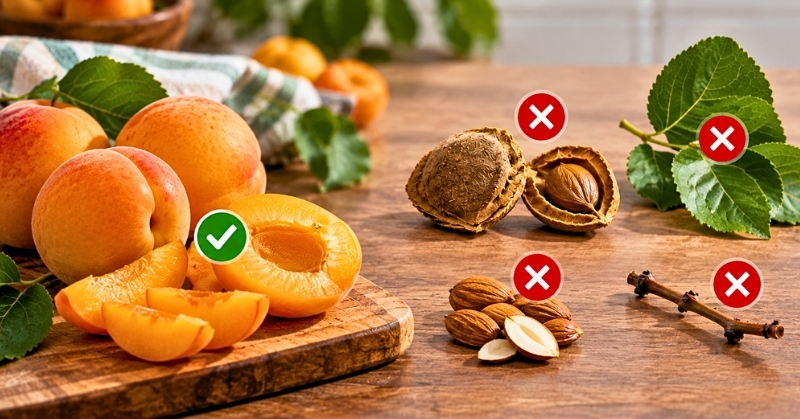
Not all parts of an apricot carry the same level of risk, and understanding these differences is essential for keeping your dog safe. While the fleshy part of the fruit is the only potentially safe portion, several other parts of the apricot are dangerous and should never be given to dogs.
Breakdown of Apricot Parts
Here is a clear breakdown of each part and why it matters:
- Apricot Pit (Stone, Highly Dangerous): This is the most dangerous part. The pit contains compounds that can release cyanide when crushed or chewed. It also poses a serious choking hazard and can cause intestinal blockage, especially if swallowed whole.
- Apricot Seed (Kernel inside the pit, unsafe): The kernel contains cyanogenic compounds and can pose a significant poisoning risk, particularly when it is chewed or consumed in larger amounts. Since the amount of cyanide released can vary, contact your vet or animal poison service if your dog chews or eats an apricot kernel.
- Apricot Stem (Unsafe): Contains toxic compounds similar to the pit and should never be consumed. It may also irritate the digestive tract.
- Apricot Leaves (Unsafe): Apricot leaves contain cyanogenic compounds and you should not give it to your dog.
- Apricot Flesh (Fruit Pulp): The soft, ripe flesh is the only part that may be safe when served plain, fresh, and in very small amounts. However, it must be completely separated from the pit and any stem material.
One important factor many owners overlook is how dogs eat. Dogs tend to swallow food quickly rather than chewing carefully, which increases the risk of accidentally ingesting pits or fragments. This behavior is one of the main reasons veterinarians urge caution with stone fruits like apricots.
Apricots require careful preparation because the pit, kernel, stems, and leaves can pose serious risks. The ripe flesh itself can generally be given in small amounts after the dangerous parts have been completely removed.
If there is any doubt about preparation or supervision, the safest option is to avoid feeding apricots altogether.
Can Dogs Eat Dried Apricots or Dry Apricots?
Dogs can eat small amounts of plain dried apricot, but fresh apricot flesh is generally a better choice.
Dried fruit is more concentrated in sugar and calories, and some commercial products contain added ingredients such as sulfites or sweeteners. Avoid products containing xylitol or other ingredients that are toxic to dogs.
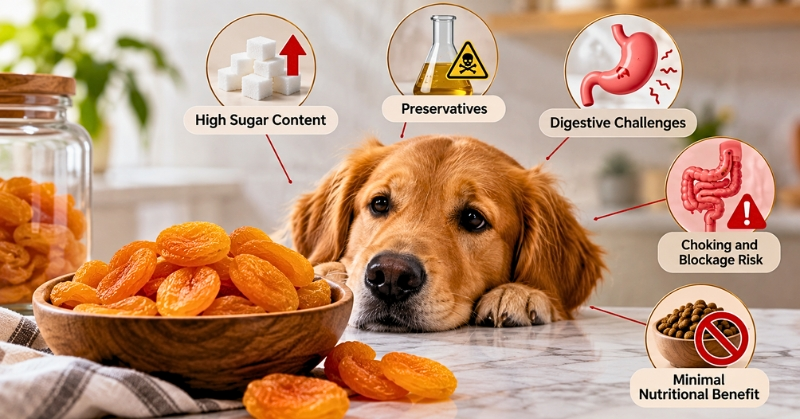
Here’s why dried apricots are not the best choice for your canine.
1. High Sugar Content
Drying removes water but concentrates sugar, which can cause:
- Digestive upset
- Weight gain
- Blood sugar spikes, especially in small dogs or those with diabetes
2. Preservatives
Some commercially dried apricots contain sulfites such as sulfur dioxide , which may trigger:
- Stomach irritation
- Allergic reactions
- Breathing issues in sensitive dogs
Dogs with sensitivities may experience adverse reactions, so don’t forget to check the ingredient label and avoid products containing potentially harmful additives.
3. Digestive Challenges
Drying removes water and concentrates the fruit, so large portions may provide excessive sugar and calories and may cause digestive upset in some dogs. Other issues may include:
- Gas
- Diarrhea
- Vomiting
Dense, sticky pieces may also be easier to swallow too quickly.
4. Choking and Blockage Risk
Sticky and compact pieces can be swallowed whole, potentially causing:
- Choking
- Intestinal obstruction
5. Minimal Nutritional Benefit
Compared to fresh, dog-safe fruits like blueberries or apple slices (without seeds), dried apricots offer little added value..
Can Dogs Eat Canned Apricots?
Canned apricots are generally not the best choice for dogs, particularly those packed in syrup. They can contain added sugar and other ingredients that dogs don’t need.
If you want to give your dog apricot, plain fresh flesh with the pit, stem, and leaves removed is a simpler option, as stated earlier.
How Much Apricot Can a Dog Eat?
If your vet says apricot is appropriate for your dog, offer only a small amount of ripe, pit-free flesh as an occasional treat. Start with one or two small pieces and monitor for digestive upset. The appropriate amount depends on your dog’s size, diet, health, and total daily calorie intake.
Make sure apricots should be:
- Pit-free
- Served infrequently
- Introduced slowly
Apricots should be treated as an occasional treat and should fit within the general guideline that treats and other extras make up no more than about 10% of a dog’s daily calorie intake. For detailed assistance, consult a professional vet.
To better understand your dog’s life stage and nutritional needs, this dog age calculator converts your dog’s age into human years for more informed care decisions.
You may also want to read: How Much Papaya Is Safe for Your Dog?
How to Safely Feed Apricots to Dogs?
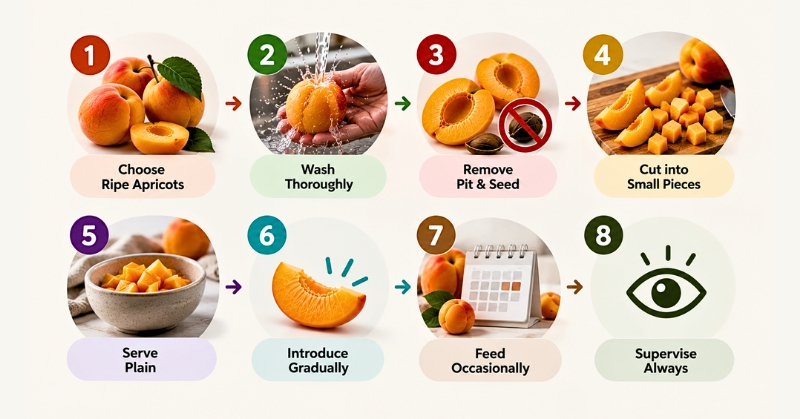
Feeding apricots to your dog can be safe if done carefully and correctly. Follow these steps to minimize any health risks.
- Choose Fresh, Ripe Apricots: Only use fresh apricots that are ripe and free from mold or bruises. Unripe or spoiled fruit can upset your dog’s stomach.
- Wash Thoroughly: Rinse the apricot under running water to remove any dirt, pesticides, or chemicals that could be harmful to your dog.
- Remove All Dangerous Parts: Carefully remove the pit, seed, stem, and leaves. The pit and seed contain cyanogenic compounds that are highly toxic, even in small amounts. Do not take shortcuts, as one small mistake can be dangerous.
- Cut into Small Pieces: Slice the apricot flesh into bite-sized pieces appropriate for your dog’s size. Small pieces reduce the risk of choking and make it easier to digest.
- Serve Plain: Do not add sugar, syrup, or spices. Dogs have different dietary needs than humans, and added sugar or flavorings can cause digestive upset or long-term health issues.
- Introduce Gradually: Start with a small portion to see how your dog reacts. Monitor for any signs of digestive upset, such as diarrhea, vomiting, or excessive gas.
- Feed Occasionally, Not Daily: Apricots are a treat, not a staple. Feeding them occasionally ensures your dog gets the benefits without overloading on sugar or fiber.
- Supervise Your Dog: Always watch your dog while eating a new fruit for the first time. This allows you to intervene immediately if any choking or unusual reaction occurs.
By following these steps, you can safely allow your dog to enjoy the sweet, juicy flavor of apricots while minimizing health risks.
Read more: How to Prepare Nectarines-Based Pet Food at Home?
Can Dogs Eat Peach and Apricot?
Many owners ask this because peaches and apricots are closely related.
Peaches and apricots are both stone fruits. Their ripe flesh can generally be offered in small amounts when properly prepared, but their pits, seeds, stems, and leaves can pose choking, obstruction, and/or cyanide-related risks.
Verdict: Dogs can eat small amounts of fresh peach flesh under the same conditions as apricots — but neither should be a regular treat.
Benefits of Apricots for Dogs (In Moderation)
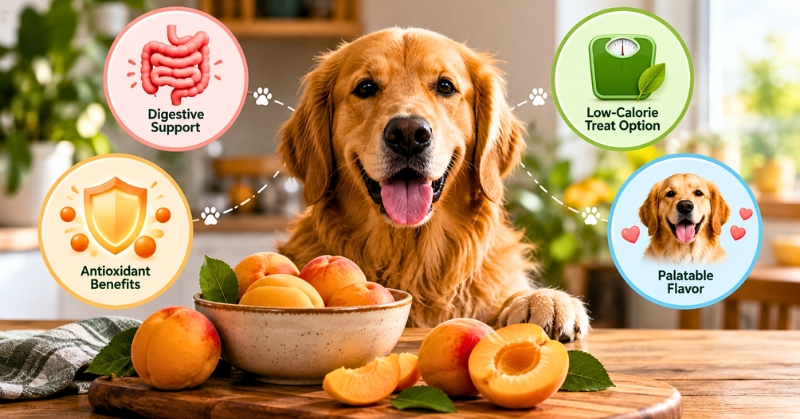
When fed in small, controlled amounts, apricots can offer a few nutritional and health benefits for dogs. While they shouldn’t replace a balanced diet, they can serve as a healthy occasional treat.
- Digestive Support: Apricots are rich in dietary fiber, which can help regulate your dog’s digestive system and promote healthy bowel movements. Fiber should not be relied on as a treatment for mild constipation. Persistent or severe constipation needs vet evaluation.
- Antioxidant Benefits: Apricots provide small amounts of nutrients such as vitamin A, vitamin C, potassium, and fiber, but these nutrients are not a reason to add apricots to a dog’s diet. Dogs eating a complete and balanced diet generally do not need fruit to meet their nutritional requirements.
- Low-Calorie Treat Option: Small pieces of fresh apricot can provide a relatively low-calorie treat option, but dogs with weight-management needs should still have treats carefully portioned within their daily calorie allowance.
- Palatable Flavor: Many dogs enjoy the sweet, juicy taste of apricots, making it a useful reward for training or positive reinforcement when used safely.
Important Reminder: Benefits are only realized when apricots are fed properly, in moderation, and without dangerous parts like pits or stems. Overfeeding can lead to digestive upset or other health issues.
Also read: Nutritional Value of Olives for Dogs
What Are the Symptoms of Apricot Poisoning in Dogs?
Apricot poisoning typically occurs due to cyanide exposure or intestinal blockage.
Possible Signs of Cyanide Poisoning
- Rapid breathing/difficulty breathing
- Drooling
- Rapid heart rate
- Bright-red mucous membranes
- Muscle spasms
- Seizures
- Collapse
Possible Signs of an Intestinal Blockage
This problem has a different presentation, often involving:
- Repeated vomiting
- Loss of appetite
- Abdominal pain
- Lethargy
- Inability/difficulty passing stool
Cyanide poisoning can develop rapidly, sometimes within minutes to a few hours. Signs caused by an intestinal obstruction may take longer to develop.
Read more: Symptoms of Sultana Toxicity in Dogs
What To Do If Your Dog Eats an Apricot Pit?
- Do NOT induce vomiting unless instructed by a vet
- Call your veterinarian immediately
- Contact a reputable animal poison control service if a vet is unavailable
- Monitor breathing, energy, and gum color
- Seek emergency care if symptoms appear
Time matters with cyanide exposure.
If your dog swallowed one whole pit: Don’t assume cyanide poisoning will occur, but don’t ignore it. The pit can still cause choking or an intestinal obstruction. Contact your vet promptly for advice, particularly if your dog is small, the pit was large, or your dog swallowed it whole.
If your dog chewed/crushed the pit or ate the kernel: Contact your vet or an animal poison-control service promptly because chewing releases cyanogenic compounds and increases the potential for cyanide exposure.
Read more: What Fruits Can Dogs Eat Other than Apricots?
Are Apricots Ever Worth the Risk?
For most dogs, no. There are far safer fruit options with similar nutritional benefits and virtually no toxicity risk.
Safer Fruit Alternatives
- Blueberries
- Apples (no seeds)
- Strawberries
- Watermelon (no rind or seeds)
- Bananas (in moderation)
If your goal is enrichment or bonding, these options provide peace of mind. If your dog is pregnant or you suspect she might be, this dog pregnancy calculator helps estimate due dates and key milestones so you can plan safer nutrition and vet care.
Safety Tips for Feeding Fruit to Dogs
- Always research before sharing food
- Introduce one new food at a time
- Start with tiny portions
- For stone fruits, remove pits, stems, and leaves before offering the flesh, and only serve appropriate fruits in moderation.
- When in doubt, don’t feed it
Summing Up: A Safety-First Choice for Your Dog
When it comes to feeding dogs human food, safety always outweighs curiosity. Apricot flesh and apricot pits should not be treated the same way.
Small amounts of ripe, pit-free flesh can generally be offered as an occasional treat, while pits/kernels, stems, and leaves can pose serious health risks and should be kept away from dogs.
As a responsible dog owner, choosing safer fruits is the simplest way to protect your dog’s health and avoid emergency situations.
If you are ever unsure, remember this rule: If a food requires strict preparation to be safe, it probably isn’t worth the risk.
Your dog trusts you completely. Making informed, cautious choices is one of the best ways to honor that trust.
Frequently Asked Questions (FAQs)
No, apricots should only be given occasionally in very small, pit-free amounts. Feeding large or frequent portions can add unnecessary calories and may cause digestive upset.
Puppies don’t need apricots as part of their diet. If your vet approves occasional fruit treats like apricots, offer only a tiny amount of ripe, pit-free flesh and supervise your puppy while eating. Never give the pit, kernel, stem, or leaves.
Apricot jam is not recommended for dogs because it can be high in sugar and may contain ingredients that are unsafe for dogs. Never give a product containing xylitol.
Yes, apricot kernels (the seed inside the pit) are highly toxic due to cyanide. You should never give them to your dogs.
Yes, but only if the apricot is ripe, washed, and completely pit-free. The skin itself is generally safe in very small amounts.