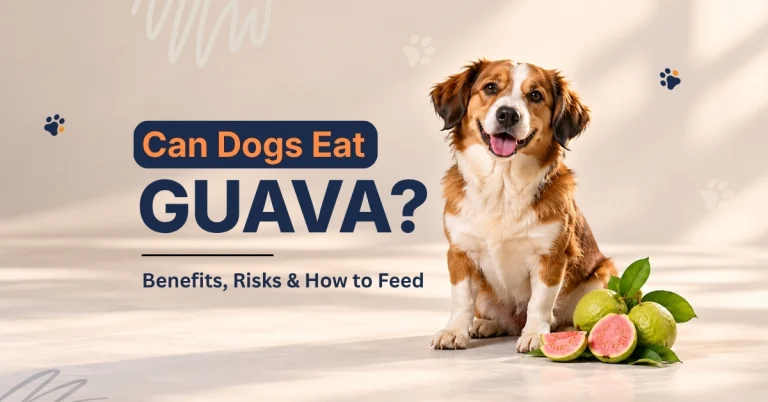
Have you ever been snacking on a juicy guava and wondered, “Can dogs eat guava?” You are not alone! Many dog owners are curious whether this tropical fruit is a safe treat for their furry friends.
Guava is packed with vitamins, fiber, and antioxidants that can support your dog’s health — but giving the wrong portion or preparation can lead to digestive upset.
In this guide, we’ll explore everything you need to know about feeding guava to dogs, including the benefits, risks, safe serving sizes, and even tips for puppies.
By the end, you’ll know exactly how to let your dog enjoy this sweet fruit safely — and guilt-free!
A Bit About Guava
Guava is a tropical fruit in Mexico, Central America, and northern South America. It is grown in India, the Philippines, and Australia. Guava is a popular fruit since it is tasty, nutritious, and simple to prepare. The fruit is round or oval and comes in many colors.
Can Dogs Eat Guava Fruit?
Yes, dogs can eat guava safely when it’s given in moderation and prepared properly. Fresh, ripe guava is non-toxic to dogs, but it should only be offered as an occasional treat—not a regular part of their diet. Always remove the seeds and cut the fruit into small pieces to reduce the risk of choking or digestive upset.
Read more: Can Dogs Eat Olives?
Guava Nutritional Advantages
Guava is a high-nutritional-value fruit abundant in vitamins, minerals, and antioxidants. Guava has the following nutritional benefits:
- Guava is a superb source of vitamin C and other nutrients. Healthy dogs generally make their own vitamin C. Therefore, guava should be considered as an occasional treat rather than a necessary source of vitamin C.
- It contains a high quantity of fiber, but it is not a required or essential source of fiber for dogs.
- Guava is also high in vitamin A, which supports vision and skin health in dogs, though it should only be given in moderation.
- It is a valuable source of potassium, which helps regulate dog’s heartbeat and normal heart muscle function.
- It also contains other nutrients, including calcium, iron, and folate.
Guava Nutrition Snapshot (per 100g)
| Nutrient | Amount |
| Vitamin C | 228 mg |
| Fiber | 5.4 g |
| Potassium | 417 mg |
| Natural Sugar | ~9g |
This nutrient profile shows that guava provides fiber, vitamin C, potassium, and natural sugars. However, because dogs have different nutritional requirements from humans and normally receive complete nutrition from their regular diet, guava should be considered an occasional treat rather than a nutritional necessity.
Also read: Nutritional Benefits of Feeding Banana Chips to Dogs
Guava Health Advantage for Dogs
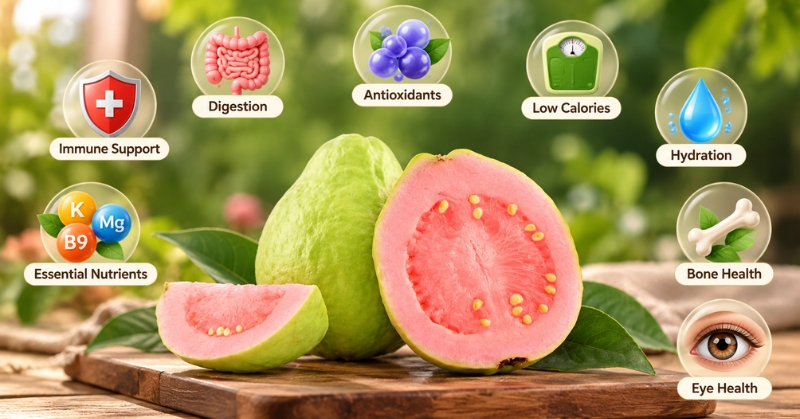
Guava is more than just a tasty treat — it is a nutrient-rich fruit that can offer several health benefits for your dog when fed safely and in moderation.
Packed with vitamins, fiber, and antioxidants, guava can support your dog’s immune system, digestion, and overall well-being, making it a wholesome addition to their occasional snack routine.
Here is a closer look at why guava can be good for your furry friend:
1. Rich in Vitamin C
- Boosts the immune system
- Supports overall health and recovery
2. High in Dietary Fiber
- Aids in healthy digestion
- Can help prevent constipation
- Supports proper bowel movements
3. Packed with Antioxidants
- Protects cells from free radical damage
- Promotes heart and organ health
- Supports healthy aging
4. Low in Calories
- Can be included in weight management snacks in moderation
- Portions still matter because fruit contains calories and natural sugars
5. Supports Hydration
- Guava has high water content, which can contribute a little to a dog’s hydration. However, it shouldn’t replace fresh drinking water.
6. Good for Bones
Guava provides vitamin C, vitamin K, and small amounts of minerals that support healthy bones, but it shouldn’t replace a balanced canine diet.
7. Eye Health
Guava is a rich source of vitamin A, which is beneficial for eye health. Guava can help support healthy vision in your dog.
8. Provides Essential Nutrients
- Contains potassium, magnesium, and folate
- Supports muscle, nerve, and heart function
Feeding Reminder
- Feed guava in moderation
- Always remove seeds and peel if needed
- Watch for digestive issues when introducing any new fruit
Read more: Health Benefits of Apricots for Dogs
When Should Dogs Avoid Guava?
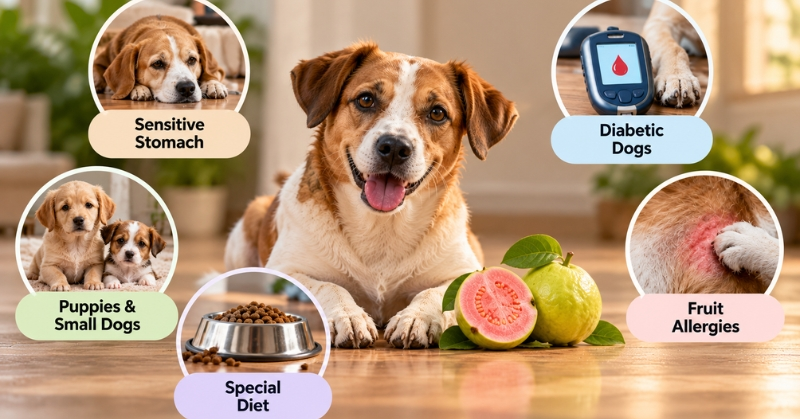
While guava is generally safe and nutritious for dogs in moderation, there are certain situations when you should avoid feeding it:
- Dogs with a sensitive stomach: Dogs prone to diarrhea, vomiting, or gastrointestinal upset may react poorly to the fiber and natural sugar in guava.
- Diabetic dogs: Guava contains natural sugars that can spike blood sugar levels, which can be risky for diabetic pets.
- Puppies and very small dogs: Their digestive systems are delicate, and guava — especially with skin or seeds — may be hard to digest or pose a choking hazard.
- Dogs with fruit allergies: Some dogs may develop itching, hives, or stomach upset from certain fruits, including guava.
- Dogs on a special diet: If your vet has prescribed a strict diet for weight control, kidney issues, or other health problems, introducing guava could interfere with their nutrition plan.
Tip: When in doubt, always consult your veterinarian before giving your dog any new fruit. Start with small, seedless pieces and monitor for any adverse reactions.
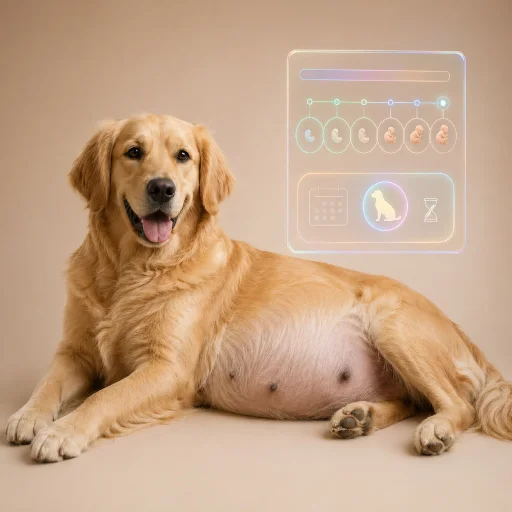
If your dog is pregnant, our Dog Pregnancy Calculator can help you track important milestones and ensure she gets the right care and nutrition.
You may also want to read: What Fruits Can I Share with My Dog?
Disadvantages of Feeding Your Dog Guava
While guava is generally safe in moderation, it can have some potential drawbacks if not prepared or fed carefully.
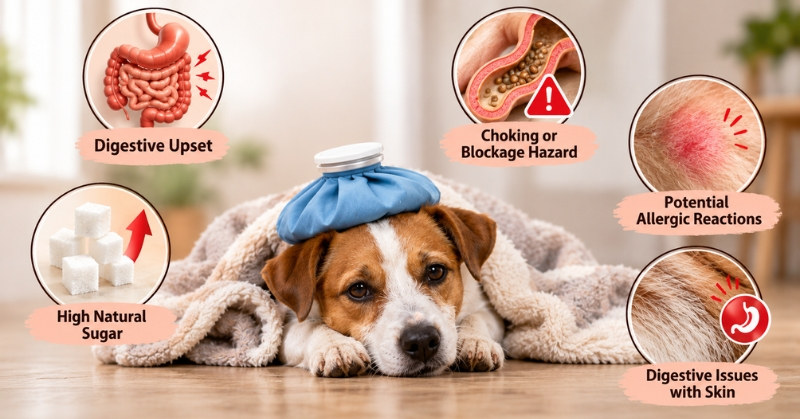
1. Digestive Upset
Too much guava can cause:
- Diarrhea
- Gas
- Stomach cramps
High fiber content can be harsh on sensitive stomachs
2. Choking or Blockage Hazard
Seeds are hard to digest and can cause:
- Choking, especially in small dogs
- Intestinal blockage if swallowed whole
3. High Natural Sugar
Guava contains natural sugars, which can:
- Raise blood sugar levels
- Be risky for diabetic dogs
- Contribute to weight gain if overfed
4. Potential Allergic Reactions
Rare, but some dogs may develop:
- Itching
- Rash
- Vomiting after eating guava
If any of these symptoms appear, contact your vet immediately.
5. Digestive Issues with Skin
- The skin can be tough to digest for some dogs
- May cause stomach upset or vomiting if fed unpeeled
Key Tip
- Feed small, seedless, peeled pieces in moderation
- Introduce guava gradually to monitor for any adverse reactions
- Always consult your vet if your dog has health issues like diabetes or a sensitive stomach
Read more: Possible Risks of Giving Figs to Your Dog
How to Prepare Guava Safely for Your Dog?
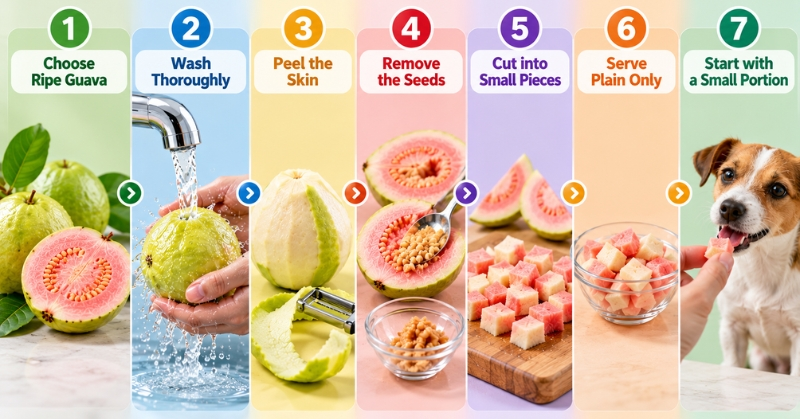
Preparing guava for your dog is a super-easy task if you follow the steps below carefully.
Step 1: Choose Ripe, Fresh Guava
- Pick a fully ripe guava that’s soft and fragrant
- Avoid overripe, spoiled, or fermented guava
Step 2. Wash Thoroughly
- Rinse the guava under clean running water
- Gently scrub the skin to remove dirt, wax, or chemicals
3. Peel the Skin (Recommended)
- Guava skin isn’t known to be toxic, but it may be harder for some dogs to digest
- Peeling helps prevent stomach upset, especially for small dogs
4. Remove the Seeds (Very Important)
- Guava seeds are:
- Hard to digest
- A potential choking hazard
- Risky for intestinal blockage in small dogs
- Scoop out all seeds before serving
5. Cut into Small, Bite-Sized Pieces
- Chop the guava flesh into small cubes or thin slices
- Size should match your dog’s breed and chewing ability
6. Serve Plain Only
- No sugar
- No salt
- No spices or chili (very important)
- No guava juice, paste, or candy
Plain, fresh guava is the safest option.
7. Start with a Small Portion
- First-time serving? Offer 1-2 small pieces only
- Watch for:
- Diarrhea
- Vomiting
- Excess gas or itching
- If any symptoms appear, stop feeding guava
Also read: How to Prepare Papaya for Your Dog?
How Much Guava Can Dogs Eat?
Guava should be treated as an occasional snack, not a regular part of your dog’s daily diet. While it offers vitamins and fiber, too much guava can upset your dog’s stomach due to its natural sugar and fiber content.
Here’s a simple feeding suggestion:
| Dog Size | Starting Amount |
| Small | 1-2 small pieces |
| Medium | 2-4 small pieces |
| LargeLarge | A few small pieces |
These are starting amounts, not fixed veterinary serving limits. Adjust the portion according to your dog’s size, calorie needs, overall diet, and response.
Key Feeding Tips
- Keep guava treats to no more than 10% of your dog’s daily food intake
- Always serve guava fresh, plain, and seed-free
- Introduce guava gradually and offer only a small portion the first time
If your dog shows signs of diarrhea, bloating, or vomiting, reduce the portion or stop feeding guava altogether and consult your vet. Moderation is the key to keeping guava a safe and healthy treat for your dog.
Not sure how old your dog really is in human years? Try our Dog Age Calculator to better understand your dog’s life stage and nutritional needs.
Signs Your Dog Ate Too Much Guava
While guava can be a healthy treat in small amounts, overeating it may upset your dog’s digestive system. Because guava is high in fiber and natural sugars, excessive consumption can quickly lead to discomfort. Watch closely for the following signs if your dog eats too much guava:
- Diarrhea or loose stools: One of the most common symptoms due to excess fiber.
- Vomiting or nausea: Your dog may vomit shortly after eating too much guava.
- Gas and bloating: Fermentation of sugars in the gut can cause abdominal discomfort
- Stomach pain or restlessness: Pacing, whining, or a tucked abdomen may indicate digestive pain.
- Loss of appetite: Your dog may refuse regular meals after overeating guava.
- Lethargy: Digestive upset can make your dog unusually tired or inactive.
When to Be Concerned?
Seek veterinary advice if:
- Vomiting or diarrhea is severe or persistent
- You notice signs of dehydration (dry gums, weakness)
- Your dog shows allergic reactions such as itching, swelling, or difficulty breathing (rare but possible)
- Signs of breathing difficulty or choking appear
What to Do Immediately?
- Stop feeding guava or any other treats
- Offer fresh water to prevent dehydration
Tip: To avoid these issues, always introduce guava slowly and serve it in small, bite-sized portions. Moderation is key when offering any new fruit to your dog.
How Can I Feed Guava to My Dogs? Effective Ways!
If done appropriately, feeding Guava to your dog can be a nutritious and delightful addition to their diet. Here are various methods to feed Guava to your pet:
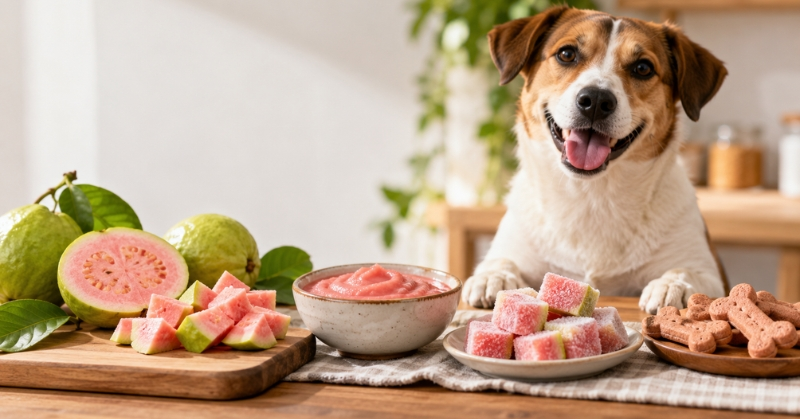
1. Fresh, Chopped Guava
As a treat, cut up fresh Guava into small, bite-sized pieces and give it to your dog. Remove the seeds and peel them before serving to your dog to reduce choking hazards.
2. Guava Puree
Can dogs eat Guava as a puree? Yes. Make a puree from fresh Guava and incorporate it into your dog’s diet. It is an excellent way to introduce Guava’s nutritional benefits into your dog’s diet.
3. Frozen Guava
Freeze small pieces of properly prepared guava for an occasional cool treat. Make sure the pieces are appropriately sized for your dog and supervise them while eating.
4. Guava-Based Goodies
Many guava-based sweets, such as flavored biscuits or snacks can be given to dogs if they are specifically formulated as a dog treat and contain only dog-safe ingredients. Avoid those made for humans.
Can Dogs Eat Guava Seeds?
While Guava fruit is considered safe for dogs to eat in small amounts, the seeds can pose a choking or gastrointestinal foreign-body risk, especially when a dog eats several of them. Because the seeds are small and firm, they can quickly become lodged in your dog’s throat or digestive system.
Removing the seeds from the Guava fruit before feeding it to your dog is essential. It can be done by cutting the fruit into small pieces and removing the seeds with a spoon or knife. Once the seeds are removed, you can prepare the guava puree.
If your dog accidentally swallows a Guava seed, monitor them closely to check the signs of choking or stomach upset. Seek vet attention immediately, whether you want to ask if dogs eat guava or if your dog exhibits any signs of choking or breathing difficulties.
Can Dogs Eat Guava Paste?
Dogs can eat plain, homemade guava paste in small amounts if it contains only ripe guava and no added sugar or harmful ingredients. However, most commercial guava pastes contain high amounts of added sugar, making them unsuitable as a regular treat. Always check the ingredients for xylitol, which is toxic to dogs.
Can Puppies Eat Guava?
Yes, puppies can eat small amounts of ripe guava once they are eating solid food. Remove the seeds and serve soft, bite-sized pieces to reduce choking risk.
Introduce guava gradually, as too much of it may cause digestive upset. Moreover, guava should remain an occasional treat, not a replacement for a complete puppy diet.
If you are welcoming a new puppy into your home, our Dog Name Generator can help you find the perfect name that matches your dog’s personality in seconds.
Can Dogs Eat Guava with Milk?
Dogs can eat guava with milk in small amounts, but the combination isn’t necessary and may upset some dogs’ stomachs. Guava provides fiber and vitamins, while milk contains calcium and protein, but many dogs have difficulty digesting lactose.
If you offer it, use plain, ripe, seed-free guava with a small amount of plain, unsweetened milk. Avoid sweetened or flavored milk, and stop immediately if digestive problems occur.
Can Dogs Eat Guava with Other Foods?
Yes, you can mix guava with your dog’s regular food in a small amount, provided the other ingredients are also dog-safe.
Avoid recipes containing added sugar, artificial sweeteners, chocolate, grapes/raisins, onions, garlic, or other ingredients that are unsafe for dogs.
Read more: What Human Food Can Dogs Eat?
What Dog Owners Often Ask?
Guava juice is generally unnecessary for dogs. Commercial juice may contain added sugar and provides less fiber than whole fruit.
Guava should be an occasional treat, about 1-2 times per week, in small, seedless, bite-sized pieces.
No, guavas are not poisonous to dogs when fed in moderation and prepared properly.
Seeds should be removed because they can pose choking or gastrointestinal foreign-body risks. Other plant parts such as leaves are best avoided because there is limited research and clinical evidence about their safety in dogs.
Yes, dogs can eat both mango and guava in small amounts, as long as seeds, pits, and skins are removed.
Yes, pink guava is safe for dogs when seedless and served in small, bite-sized pieces.
Dogs can eat plain, unsweetened dried guava in very small amounts, but fresh guava is generally a better option. Drying removes much of the water and concentrates the natural sugars and calories. Avoid dried guava with added sugar, preservatives, spices, or xylitol, and remove any seeds before serving.
If offering guava, choose ripe fruit because it is softer and generally easier to chew and digest. Unripe fruit may be less palatable and may be harder on some dogs’ stomachs.
No, guava jelly often contains added sugar or artificial sweeteners, which are unhealthy or dangerous for dogs.
Guava leaves are not a recommended food for dogs because there is limited evidence about their safety and nutritional value. Stick to properly prepared guava flesh instead.
Yes, white guava is safe for dogs when seeds are removed, and portions are kept small.
Yes, yellow guava is safe for dogs if ripe, seedless, and fed in moderation.
Yes, dogs can eat guava at night, but give it in small amounts to avoid stomach upset or digestive issues while they sleep.
You can get fresh guava from grocery stores, local markets, or organic fruit shops. Always choose ripe, clean, and pesticide-free fruit.
Dogs usually prefer ripe, sweet guava. Avoid unripe or sour guava, as it can be hard on the stomach.
Dogs can eat guava skin, but it is tough and harder to digest. Peeling it is safer, especially for small dogs or dogs with sensitive stomachs.
Final Words
So, can dogs eat guava? Yes — when served properly and in moderation, guava can be a healthy and refreshing treat for many dogs. Its vitamins, fiber, and antioxidants can offer nutritional benefits, but the key is how you serve it.
Always remove the seeds, cut the fruit into small pieces, and limit portions to avoid digestive issues. Remember, every dog is different — what works well for one pup may not suit another.
When in doubt, introduce guava slowly and keep an eye out for any unusual reactions. As with all treats, guava should complement your dog’s regular diet, not replace it. When fed responsibly, this tropical fruit can be a safe and tasty way to add variety to your dog’s snack routine.