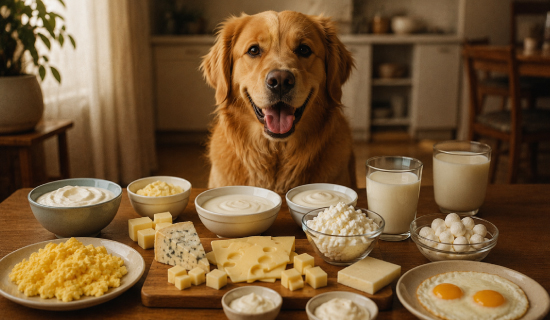
Have you ever wondered what dairy products can dogs eat, what kind of dairy can dogs eat, or what kind of eggs can dogs eat? If yes, you’re not alone. These are among the most common nutrition questions vets receive from pet owners.
The answer isn’t simply YES or NO. Different dairy products contain varying amounts of lactose, fat, sugar, and additives, while eggs can be served in several ways, each with its own benefits and considerations.
Generally, healthy adult dogs can enjoy certain plain, unsweetened dairy products and fully cooked eggs as occasional treats rather than dietary staples. However, many dogs become lactose intolerant after weaning, meaning they produce lower levels of lactase (the enzyme needed to digest lactose, the natural sugar found in milk). This is why some dairy products are easier to digest than others.
Eggs are different. They are highly digestible, rich in complete protein, and packed with vitamins and minerals. When cooked properly, eggs can be an excellent addition to a balanced canine diet. Raw eggs, however, require more careful consideration due to the potential risks of bacterial contamination and nutritional imbalances.
This guide explains what dairy and eggs can dogs eat. By understanding these differences, you can confidently choose treats that support your dog’s health while avoiding foods that may cause digestive problems or other complications.
Is Dairy Safe for Dogs?
The short answer is sometimes. Many people search for “Can dogs eat dairy,” “Can dogs have dairy products,” or “Is dairy okay for dogs.” The answer depends on the individual dog, the specific dairy product, and the amount offered.
Unlike puppies, adult dogs often lose much of their ability to digest lactose after weaning. Lactose is the natural sugar found in milk. Puppies produce plenty of lactase, the enzyme that breaks down lactose, because they rely on their mother’s milk.
Is Dairy Good for Dogs?
Many pet owners ask whether dairy is good for dogs. Dairy is not nutritionally essential for healthy dogs because complete commercial dog foods already provide the nutrients they need.
However, some dairy products can offer additional nutritional benefits when fed occasionally. Potential benefits include high-quality protein, calcium for healthy bones and teeth, vitamin B12, riboflavin, phosphorus, probiotics found in fermented dairy products, and potassium in certain dairy foods.
Is Dairy Bad for Dogs?
Dairy isn’t automatically bad, but it isn’t suitable for every dog. Dogs that struggle to digest lactose may experience diarrhea, loose stools, gas, bloating, vomiting, stomach discomfort, and reduced appetite.
Some dairy products also contain excessive fat or added sugar. Feeding these regularly may contribute to weight gain, obesity, pancreatitis in susceptible dogs, poor digestive health, and dental problems.
Are Dogs Allergic to Dairy?
Although less common than lactose intolerance, true milk allergy can develop in dogs. A milk allergy occurs when the immune system reacts to milk proteins rather than lactose. Signs may include:
- Persistent itching
- Ear infections
- Chronic skin inflammation
- Paw licking
- Digestive upset
- Vomiting
- Diarrhea
Safe Dairy Products for Dogs
| Dairy Product | Safe? | Notes |
| Plain yogurt | Yes | Choose unsweetened varieties |
| Greek yogurt | Yes | Higher protein and lower lactose |
| Cottage cheese | Yes | Low-sodium options are best |
| Kefir | Yes | Plain, unsweetened only |
| Hard cheese | In moderation | High in fat and sodium |
| Goat milk | In moderation | Still contains lactose |
| Lactose-free milk | In moderation | Easier for lactose-intolerant dogs |
| Cow’s milk | Sometimes | May cause digestive upset |
| Whole milk | Small amounts | High in fat |
| Skim milk | Small amounts | Still contains lactose |
| Butter | Avoid regularly | Very high in fat |
| Cream | Best avoided | High in fat and calories |
| Ice cream | Avoid | High in sugar and fat |
| Condensed milk | No | Extremely high in sugar |
| Flavored yogurt | Usually no | May contain xylitol or excess sugar |
Safe Egg Choices for Dogs
| Egg Type | Safe? | Recommendation |
| Boiled egg | Best choice | Plain and fully cooked |
| Scrambled egg | Yes | No butter or seasoning |
| Poached egg | Yes | Fully cooked |
| Baked egg | Yes | Plain only |
| Fried egg | Occasionally | Avoid added fats |
| Raw egg | Not recommended | Higher bacterial risk |
What Dairy Products Can Dogs Eat?
If you’re wondering what dairy products can dogs eat, the safest choices are generally those that are plain, unsweetened, low in lactose, free of artificial sweeteners, low in added sugar, and fed in moderation. Below are the most common dairy products and whether they’re appropriate for dogs.
Yogurt
Plain yogurt is one of the best dairy choices for many dogs. Because beneficial bacteria ferment much of the lactose during production, yogurt usually contains less lactose than milk. This makes it easier for many adult dogs to digest. Choose only plain, unsweetened yogurt without artificial sweeteners or added sugars.
Greek yogurt is another excellent option. Compared with regular yogurt, Greek yogurt contains more protein, less lactose, less sugar, and a thicker texture.
Learn more: Can Dogs Eat Strawberry Yogurt?
Cheese
Cheese is one of the most popular treats for dogs because it is tasty, easy to serve, and works well as a high-value reward during training. If you have wondered can dogs have dairy products like cheese, the answer is YES, but only certain types and in moderation.
Avoid cheeses containing garlic, onion, or chives, as these ingredients are toxic to dogs. Blue cheeses should also be avoided. Certain molds used to produce blue cheese can generate compounds that may cause tremors, vomiting, seizures, and other neurological signs if consumed in sufficient quantities.
Read more: Can Dogs Eat Parmesan Cheese?
Goat Milk
Goat milk has become increasingly popular among pet owners. It leads many people to ask whether it is a better alternative to cow’s milk. Compared with cow’s milk, goat milk contains:
- Slightly less lactose
- Smaller fat globules
- Easily digestible proteins
- Calcium
- Potassium
- Vitamin A
Cow’s Milk
Many owners ask, is cow’s milk good for dogs, can dogs have cow milk, or is it safe to give dogs milk?
Cow’s milk isn’t toxic to dogs, but it isn’t necessary either. Most adult dogs do not digest it as efficiently as puppies because they produce less lactase after weaning.
A few tablespoons of plain cow’s milk may not cause problems for dogs that tolerate lactose well. However, larger servings can lead to gas, bloating, loose stools, diarrhea, and stomach discomfort.
Lactose-Free Milk
Many pet owners wonder whether lactose-free milk for dogs is a safer option. Lactose-free milk has had the lactose broken down into simpler sugars, making it easier to digest for dogs with lactose intolerance.
If you’re asking whether can dog drink lactose free milk or can dogs drink Lactaid milk, the answer is that small amounts are usually safe for healthy dogs unless they have a milk allergy or another medical condition that requires dietary restrictions.
Raw Milk
One question that often generates debate is “Can dogs drink raw milk?” or “Is raw milk good for dogs?” Although some advocates claim that raw milk contains beneficial enzymes and bacteria, veterinary experts generally recommend avoiding it.
Raw milk has not been pasteurized, which means it may contain harmful bacteria such as Salmonella, Escherichia coli (E. coli), and Listeria. These bacteria can cause illness in dogs and may also pose a risk to people handling contaminated food or pet waste.
Whole Milk
Many owners ask questions like:
- Can dogs have whole milk?
- Can I give my dog whole milk?
- Is whole milk good for dogs?
- Is whole milk bad for dogs?
Whole milk contains the same lactose found in other cow’s milk but also has a higher fat content. A small sip is unlikely to harm a healthy adult dog.
Skim Milk
Some people assume skim milk is healthier because it contains less fat. While skim milk does reduce fat intake, it still contains lactose. Therefore, dogs with lactose intolerance may experience the same digestive problems regardless of the milk’s fat content.
Butter
Butter contains very little lactose but is extremely high in fat. Although a tiny amount accidentally consumed is unlikely to be dangerous, butter provides almost no nutritional benefit for dogs. Regular consumption may increase the risk of obesity, pancreatitis, and digestive upset. It is best to avoid intentionally feeding your dog butter.
Cream
Cream contains less lactose than milk but much more fat. Heavy cream, whipping cream, and coffee creamers are not recommended because they can contribute unnecessary calories without providing meaningful health benefits.
Some cream products also contain added sugar, artificial flavorings, sweeteners, and chocolate. These ingredients make many cream-based products unsuitable for dogs.

Dairy Products Dogs Should Avoid
While some dairy foods are suitable in moderation, others should be avoided completely. Avoid feeding your dog:
- Sweetened condensed milk
- Chocolate milk
- Chocolate ice cream
- Sugar-free dairy products containing xylitol
- Flavored yogurt with artificial sweeteners
- Coffee-flavored dairy drinks
- Milkshakes
- Dairy desserts with raisins or macadamia nuts
- Mold-ripened blue cheeses
- Spoiled dairy products
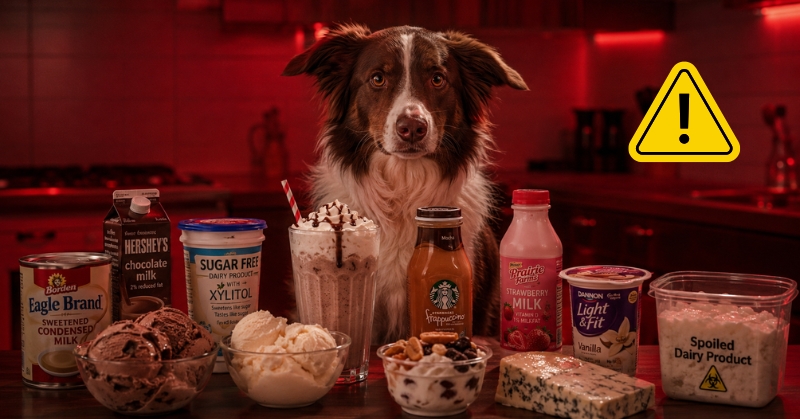
Even dairy products that are technically safe should only be offered as occasional treats rather than daily foods.
Is Milk Safe for Dogs?
A common question is “Is milk safe for dogs, or is it safe to give milk to dogs.” The answer depends on the individual dog.
Healthy adult dogs that tolerate lactose may be able to drink a small amount of plain milk occasionally without problems.
However, because many dogs are lactose intolerant, milk is not considered a necessary or recommended beverage. Clean, fresh water should always be your dog’s primary drink.
Why Is Milk Bad for Some Dogs?
Many people wonder why is milk bad for dogs or why can’t dogs have milk. The main reason is lactose.
When lactose isn’t properly digested, it travels into the large intestine, where bacteria ferment it. This process can produce excess gas and draw water into the intestines, leading to digestive upset.
The severity varies from dog to dog. Some dogs experience no symptoms at all, while others develop diarrhea after only a small serving.
Some owners ask, “Is milk good for dogs every day?” In most cases, milk is not good for dogs to drink daily. Dogs do not require milk as part of a balanced diet. Daily consumption can add unnecessary calories, increase fat intake, and cause digestive issues in dogs that are lactose intolerant.
Can You Put Milk in Dog Food?
Another common question is “Is it good to put milk in dog food?” or “dog food and milk”. Generally, there is no nutritional need to add milk to dog food.
If your dog enjoys milk and tolerates lactose well, a small splash on rare occasions is unlikely to cause harm. However, regular use offers few advantages over feeding a complete, balanced dog food with fresh water available at all times.
For picky eaters, low-sodium broth or warm water is often a better choice than milk.
Can Dogs Eat Eggs?
Yes, dogs can eat eggs. In fact, eggs are one of the most nutritious human foods that can be safely included in a dog’s diet when prepared properly.
Eggs provide highly digestible protein along with essential vitamins, minerals, healthy fats, and amino acids that support your dog’s overall health. The safest choice for most dogs is a plain, fully cooked egg without added salt, butter, oil, or seasonings.
Are Eggs Good for Dogs?
For most healthy dogs, eggs are an excellent source of nutrition when fed in moderation. A single egg contains a combination of nutrients that support multiple body systems, which makes it one of the most nutrient-dense treats you can offer. Potential benefits include:
- High-quality complete protein
- Healthy fats
- Vitamins A, D, E, and several B vitamins
- Iron
- Selenium
- Phosphorus
- Riboflavin
- Choline for brain function
What Kind of Eggs Can Dogs Eat?
Many pet owners ask, what kind of eggs can dogs eat? The good news is that dogs can safely eat eggs from several poultry species, provided they are fresh and properly cooked. Safe options include:
Chicken Eggs
Chicken eggs are the most common and practical choice. They are:
- Easy to find
- Affordable
- Highly nutritious
- Well studied for canine nutrition
Cooked chicken eggs are suitable for most healthy adult dogs.
Duck Eggs
Duck eggs are larger than chicken eggs and contain more protein and fat. They can be fed occasionally, but because they are more calorie-dense, portion sizes should be adjusted accordingly, especially for small dogs.
Quail Eggs
Quail eggs are much smaller than chicken eggs, but they are rich in nutrients. They can be served cooked and make convenient treats for toy and small breeds. Since each quail egg is only a fraction of the size of a chicken egg, several may equal one standard serving.
Turkey Eggs
Turkey eggs are less common but are also safe when cooked. Their nutritional profile is similar to that of chicken eggs, although they tend to contain slightly more calories and fat.
Goose Eggs
Goose eggs are safe when thoroughly cooked. They are considerably larger than chicken eggs, so they should be divided into smaller portions to avoid excessive calorie intake.

What Type of Eggs Can Dogs Eat?
People also search for what type of eggs can dogs eat, which usually refers to how eggs are prepared rather than the bird they come from. The healthiest preparation methods include:
Boiled Eggs
Boiled eggs are one of the best choices because they require no added fat or seasoning. Hard-boiled eggs are a suitable choice because both the white and yolk are fully cooked. Avoid serving soft-boiled eggs with a runny yolk.
Scrambled Eggs
Plain scrambled eggs are also suitable. Prepare them without:
- Butter
- Cooking oil
- Salt
- Pepper
- Onion
- Garlic
- Cheese
A plain scrambled egg is easy to digest and makes an excellent occasional meal topper.
Poached Eggs
Plain poached eggs are another healthy option because they require no added fat. Cook until both the egg white and yolk are firm before serving.
Baked Eggs
Eggs baked without seasonings, sauces, or dairy products are generally safe. Avoid casseroles, quiches, and other recipes that contain onions, garlic, excessive cheese, or heavy cream.
Fried Eggs
Fried eggs are not the healthiest choice because they are typically cooked with butter or oil, which increases their fat content.
If prepared in a non-stick pan without added oil, butter, or seasoning and cooked until the yolk is firm, they can occasionally be offered, but boiled or scrambled eggs remain better options.

Learn more: Can Dogs Eat Egg Rolls?
What Part of an Egg Can a Dog Eat?
Another common question is what part of an egg can a dog eat? Most healthy dogs can safely eat nearly every edible part of a properly prepared egg. Let’s look at each component individually.
Can Dogs Eat Egg Whites?
Yes, dogs can eat egg whites. Cooked egg whites are an outstanding source of lean protein. They are low in fat while supplying essential amino acids needed for muscle maintenance, tissue repair, immune health, and healthy skin.
Can Dogs Eat Egg Yolks?
Yes, dogs can eat egg yolks. They contain many of an egg’s vitamins and minerals, including Vitamin A, Vitamin D, Vitamin E, Choline, iron, and healthy fats. The yolk is also higher in calories and fat than the white.
Can Dogs Eat Eggshells?
Eggshells are technically edible and contain calcium and trace minerals. However, they are not necessary for dogs eating a complete commercial diet. Feeding eggshells may present several concerns:
- Excess calcium can upset the nutritional balance of the diet.
- Raw shells may carry bacteria if they haven’t been cleaned properly.
- Sharp fragments may irritate the mouth or digestive tract if not finely ground.
Can Puppies Eat Eggs?
Yes, puppies can eat eggs. Most puppies can safely eat small amounts of cooked eggs after they have transitioned to solid foods and are eating a complete puppy diet. Cooked eggs can provide additional protein and nutrients during growth, but they should only be offered as occasional treats.
Can Dogs Eat Raw Eggs?
One of the most debated questions among pet owners is whether dogs should eat raw eggs. The answer is no, you should not feed raw eggs to your dog.
Technically, healthy dogs can digest raw eggs. However, most vets recommend feeding cooked eggs instead of raw eggs because cooking significantly reduces the risk of foodborne illness while preserving most of the egg’s nutritional value.
Raw Eggs vs. Cooked Eggs
| Feature | Raw Eggs | Cooked Eggs |
| High-quality protein | Yes | Yes |
| Vitamins and minerals | Yes | Yes |
| Salmonella risk | Higher | Much lower |
| E. coli risk | Higher | Much lower |
| Avidin activity | Present | Destroyed by cooking |
| Recommended for most dogs | No | Yes |
For the vast majority of dogs, cooked eggs offer the same nutritional benefits with significantly fewer health risks.
What Dog Owners Often Ask?
No. Even dogs that tolerate dairy well should only receive dairy occasionally. Daily feeding may add unnecessary calories and increase the risk of digestive upset.
Some dairy products provide protein, calcium, and probiotics, but they are not essential because complete dog foods already supply these nutrients.
Not necessarily. Problems usually arise when dogs consume too much lactose, high-fat dairy products, or foods containing harmful ingredients like xylitol or chocolate.
Some dogs can tolerate small amounts of plain milk, while others develop diarrhea or stomach upset. Water should always remain your dog’s primary drink.
No. Milk itself is not toxic, but many dogs have difficulty digesting lactose, which can cause gastrointestinal symptoms.
Raw milk is generally not recommended because it may contain harmful bacteria that can affect both dogs and people.
Dogs can safely eat cooked chicken, duck, turkey, quail, and goose eggs. Chicken eggs are the most common and practical choice.
Boiled, poached, baked, and plain scrambled eggs are the healthiest options. Avoid adding butter, oil, salt, onions, garlic, or spices.
There is no recommended age for introducing raw eggs. Most vets advise feeding cooked eggs instead because they carry fewer health risks.
Dogs can safely eat small amounts of plain yogurt, Greek yogurt, cottage cheese, kefir, certain hard cheeses, lactose-free milk, and occasionally goat milk. Choose plain, unsweetened products and introduce them gradually.
The best dairy options are those that are naturally lower in lactose and free from added sugar or artificial sweeteners. Plain fermented dairy products are generally easier for many dogs to digest than regular milk.
Yes, many healthy dogs can enjoy certain dairy products in moderation. However, dogs with lactose intolerance or milk allergies should avoid dairy.
Dogs can safely eat cooked egg whites and cooked yolks. Eggshells are generally unnecessary unless recommended by a vet for a carefully balanced homemade diet.
Yes. Many lactose-intolerant dogs tolerate lactose-free milk better than regular milk, although it should still be offered only occasionally.
Final Thoughts
Dairy products and eggs can be nutritious additions to your dog’s diet when chosen carefully and served in moderation. While many healthy dogs enjoy foods like plain yogurt, cottage cheese, kefir, and cooked eggs without any problems, others may be sensitive to lactose or have specific dietary needs that require avoiding certain foods.
For eggs, fully cooked preparations remain the safest choice for most dogs, offering high-quality protein and valuable nutrients with a much lower risk of bacterial contamination than raw eggs.
By feeding dairy products and eggs responsibly, you can safely provide your dog with a variety of nutritious treats while supporting their long-term health and well-being.