
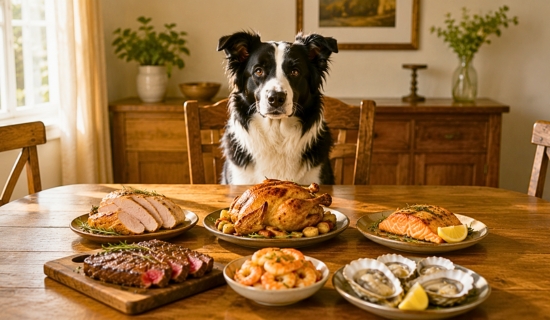
Yes, dogs can eat meat and seafood, as they both are excellent sources of protein and vitamins, and seafood in particular is rich in omega-3 fatty acids.
As a dog owner, you probably have wondered whether it is safe to share a piece of chicken, salmon, or steak with your furry companion. Right?
While dogs are natural meat eaters and thrive on animal protein, not every type of meat or seafood is suitable for them. Some options are nutritious and easy to digest, while others may contain harmful bacteria, dangerous bones, excessive fat, or toxic seasonings that can put your dog’s health at risk.
Knowing which meats and seafood are safe is important because protein plays a vital role in your dog’s overall health. It supports muscle development, strengthens the immune system, helps repair body tissues, and contributes to healthy skin and a shiny coat. However, choosing the wrong protein (or preparing it incorrectly) can lead to digestive upset, pancreatitis, nutritional imbalances, or even life-threatening conditions.
This comprehensive guide explains what meat and seafood can dogs eat safely, which ones they should avoid, and how to prepare them properly. You will also learn about common feeding mistakes and answers to frequently asked questions to help you make informed decisions whenever you are adding animal protein to your dog’s diet.
Whether you are feeding commercial dog food, preparing homemade meals, or simply offering an occasional treat, this guide will help you choose safe, nutritious protein sources for your canine.
Why Protein Is Important for Dogs?
Protein is one of the most essential nutrients in a dog’s diet. Unlike carbohydrates, which primarily provide energy, proteins supply amino acids that help build, maintain, and repair tissues throughout the body. Healthy proteins support many important functions, including:
- Building and maintaining lean muscle
- Repairing skin, muscles, and organs
- Supporting immune system function
- Producing enzymes and hormones
- Maintaining healthy skin and a glossy coat
- Supporting growth in puppies
- Helping senior dogs preserve muscle mass
Animal-based proteins are considered complete proteins because they provide all of the essential amino acids dogs need. This makes meat and seafood valuable components of a balanced canine diet when fed appropriately.
However, protein quality matters just as much as protein quantity. Lean, properly cooked meats are generally healthier than fatty, processed, or heavily seasoned options.
Can Dogs Eat Meat Every Day?
Yes, healthy dogs can eat meat every day as part of a nutritionally balanced diet. In fact, nearly every complete commercial dog food includes one or more animal protein sources such as chicken, beef, turkey, lamb, or fish. That said, meat alone is not a complete diet.
If you are preparing homemade meals, consult your veterinarian or a board-certified veterinary nutritionist to ensure your dog’s diet meets all nutritional requirements.
Read more: What Human Food Can Dogs Eat?
Safe Meat and Seafood for Dogs
The table below provides a quick overview before we explore each protein in detail.
| Protein | Safe for Dogs? | Best Preparation |
| Chicken | Yes | Plain, cooked, boneless, skin removed |
| Turkey | Yes | Plain, cooked, skin removed |
| Beef | Yes | Lean, cooked |
| Lamb | Yes | Lean cuts, cooked |
| Pork | Yes | Fully cooked, unseasoned |
| Venison | Yes | Lean, cooked |
| Rabbit | Yes | Cooked, boneless |
| Duck | Yes | Occasionally, skin removed |
| Bison | Yes | Lean, cooked |
| Goat | Yes | Cooked, lean |
| Salmon | Yes | Fully cooked, deboned |
| Sardines | Yes | Fresh or canned in water |
| Tuna | Occasionally | Small amounts only |
| Shrimp | Yes | Cooked, peeled |
| Crab | Occasionally | Cooked, plain |
| Lobster | Occasionally | Cooked, plain |
| Mussels | Yes | Cooked |
| Clams | Yes | Cooked |
| Oysters | Occasionally | Cooked |
| Swordfish | No | High mercury |
| Raw fish | Avoid | Risk of parasites |
Can Dogs Eat Chicken?
Yes, dogs can eat plain and cooked chicken. It is one of the healthiest and most commonly recommended protein sources for dogs. It is highly digestible, naturally rich in protein, and relatively low in fat, making it suitable for dogs of all ages.
Many veterinary diets and commercial dog foods use chicken as their primary protein because it provides essential amino acids while being gentle on the digestive system.
Remove the skin and trim visible fat before serving, as fatty skin can upset your dog’s stomach and, in some dogs, trigger pancreatitis.
Also read: Can Dogs Eat Raw Chicken?
Can Dogs Eat Turkey Meat?
Yes, dogs can eat plain, boneless, and fully cooked turkey. It is another excellent lean protein for dogs. It contains many of the same nutrients as chicken while being slightly lower in fat when the skin is removed. Turkey is often recommended for dogs with sensitive stomachs or those following limited-ingredient diets.
Holiday turkey often contains butter, garlic, onions, herbs, and excessive sodium, which makes it unsuitable for dogs.
Can Dogs Eat Beef?
Yes, dogs can eat beef. It is another highly nutritious protein that provides important vitamins and minerals while supporting strong muscles. Many active dogs benefit from beef because it contains slightly higher levels of iron and zinc than poultry.
High-fat meals may increase the risk of digestive upset and pancreatitis, particularly in dogs prone to gastrointestinal problems.
Can Dogs Eat Pork Meat?
Yes, dogs can eat pork. It is safe for dogs when it is thoroughly cooked and served plain. However, pork is generally higher in fat than lean poultry, so it should be offered in moderation. Pork provides protein, thiamine, zinc, selenium, and vitamin B12.
Processed pork contains excessive sodium, preservatives, and fat, which makes it an unhealthy choice for your dogs.
Learn more: Can Dogs Eat Pork Bones?
Can Dogs Eat Lamb?
Yes, dogs can safely eat cooked and boneless lamb. It is a flavorful red meat that’s often included in dog foods formulated for pets with food sensitivities. Lamb provides high-quality protein and essential nutrients that make it a nutritious option when served in moderation.
Can Dogs Eat Venison?
Yes, dogs can eat cooked and plain venison. It is a lean, nutrient-dense red meat that can be an excellent protein source for dogs.
Venison is considered a novel protein; therefore, it is commonly used in limited-ingredient diets for dogs with suspected food allergies or sensitivities to more common proteins like chicken or beef. If your vet recommends an elimination diet, venison may be one of the proteins included.
Avoid marinades, spice rubs, garlic, onion, and sauces, as these ingredients can be harmful to dogs.
Can Dogs Eat Duck?
Yes, dogs can safely eat plain, cooked, and boneless duck. It is another nutritious protein source that many dogs enjoy. It contains healthy fats and is often found in premium dog foods, particularly those formulated for dogs with sensitivities to chicken. However, duck is naturally higher in fat than lean poultry such as chicken or turkey, so portion control is important.
Duck skin contains a significant amount of fat, so removing it helps reduce unnecessary calories.
Can Dogs Eat Rabbit?
Yes, dogs can safely eat cooked and boneless rabbit. It is one of the leanest meats available and is highly digestible for many dogs. Like venison, rabbit is considered a novel protein and is commonly used in veterinary diets for dogs with food allergies.
Never allow dogs to chew on rabbit bones, especially cooked bones, as they can splinter and cause internal injuries.
Can Dogs Eat Goat?
Yes, dogs can eat cooked goat meat. Goat meat is less common than beef or chicken, but it can be a healthy alternative protein for dogs. It is naturally lean and provides many essential nutrients.
Avoid heavily seasoned goat dishes, curries, or recipes containing onions, garlic, or spicy ingredients.
Can Dogs Eat Bison?
Yes, dogs can eat plain bison. It has become increasingly popular in premium dog foods because it combines the nutritional benefits of red meat with a lower fat content than many cuts of beef.
Can Dogs Eat Salmon?
Yes, dogs can safely eat plain and fully cooked salmon. It is one of the healthiest seafood options for dogs when cooked properly. Salmon is especially valued because it is naturally rich in omega-3 fatty acids, which support numerous aspects of canine health. Baking, steaming, or poaching are excellent preparation methods.
Raw salmon may contain parasites that can cause salmon poisoning disease, a potentially fatal illness in dogs in certain geographic regions. Thorough cooking destroys these parasites, which makes cooked salmon the safer choice.
Read more: Can Dogs Eat Tilapia Fish?
Can Dogs Eat Sardines?
Yes, dogs can eat fresh and cooked sardines. They are one of the most nutritious fish you can offer your dog. Since they are small fish with relatively short lifespans, they typically accumulate much lower levels of mercury than larger predatory fish.
Canned sardines packed in brine or seasoned sauces may contain excess sodium or ingredients unsuitable for dogs. Choose sardines packed in water with no added salt or seasonings.
Can Dogs Eat Tuna?
Yes, dogs can eat small amounts of tuna occasionally, but it should not become a regular part of their diet. The primary concern is mercury, a heavy metal that accumulates in larger fish over time. Frequent consumption may increase the risk of excessive mercury exposure.
Can Dogs Eat Shrimp?
Yes, dogs can eat cooked and plain shrimp. It can be a healthy occasional treat for dogs. Shrimp is low in calories while providing high-quality protein and several important nutrients.
Raw shrimp may contain harmful bacteria and parasites, which makes cooked shrimp the safer choice.
Can Dogs Eat Crab Meat?
Yes, dogs can eat small amounts of cooked crab meat as an occasional treat. It is rich in protein and minerals but also contains more sodium than many other seafood options, so moderation is important.
Some dogs may also have shellfish allergies, so introduce crab gradually and monitor for any signs of an adverse reaction.
You may also want to read whether dogs can eat imitation crab.
Can Dogs Eat Lobster?
Yes, cooked lobster is generally safe for dogs in moderation when fed occasionally. Although lobster contains beneficial nutrients, it should be considered an occasional treat rather than a dietary staple.
Rich lobster dishes prepared for people often contain ingredients that are unsafe for dogs.
Can Dogs Eat Mussels?
Yes, dogs can eat plain and fully cooked mussels. They are a nutritious shellfish that can provide several valuable nutrients for dogs. Some veterinary joint supplements even include green-lipped mussels because they contain naturally occurring compounds that may help support joint health.
Avoid feeding raw shellfish due to the risk of harmful bacteria.
Can Dogs Eat Clams?
Yes, cooked clams can be a healthy occasional treat for dogs. They provide several vitamins and minerals while being relatively low in fat.
Discard any clams that fail to open during cooking, as they may not be safe to eat.
Can Dogs Eat Oysters?
Yes, cooked oysters are generally safe for healthy dogs when fed occasionally. However, because oysters can carry harmful bacteria and viruses when raw, they should always be cooked before serving.
Raw Meat vs. Cooked Meat: Which Is Better for Dogs?
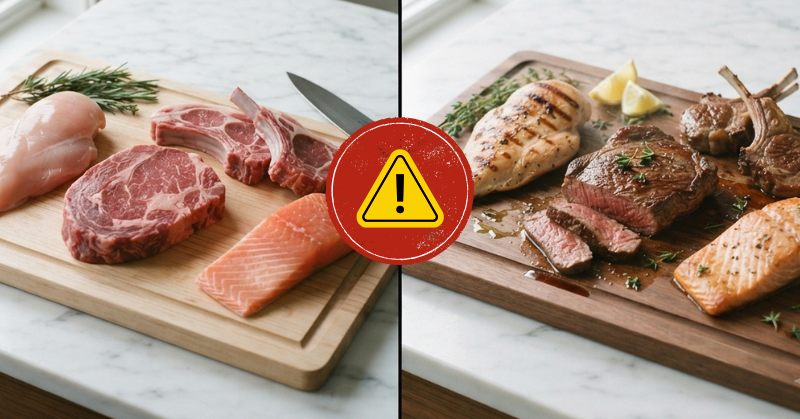
Owners often wonder “Can dogs eat raw meat?” Some dog owners choose to feed raw diets, believing they more closely resemble what dogs’ ancestors ate. While this approach has gained popularity, it also carries important food safety and nutritional considerations.
Potential Risks of Raw Meat
Raw meat may contain harmful bacteria such as:
- Salmonella
- Escherichia coli (E. coli)
- Listeria monocytogenes
- Campylobacter
These bacteria can make dogs sick and may also pose a risk to people through food preparation or contact with contaminated surfaces. Raw meat may also contain parasites, depending on the source and handling.
Raw Fish vs. Cooked Fish
Raw fish presents additional concerns beyond bacterial contamination. Potential risks include:
- Parasites
- Harmful bacteria
- Certain enzymes that may interfere with nutrient absorption
- Salmon poisoning disease in susceptible regions when raw salmon is consumed
Cooking fish thoroughly significantly reduces these risks while preserving most of its nutritional value.
Are Bones Safe for Dogs?
No, bones are not safe for dogs. One of the most common misconceptions is that all bones are safe for dogs. In reality, many bones can cause serious injuries.
Never Feed Cooked Bones
Cooked bones can:
- Splinter into sharp fragments
- Cause choking
- Damage teeth
- Become lodged in the digestive tract
- Perforate the stomach or intestines
- Lead to emergency surgery
This applies to chicken bones, turkey bones, pork bones, lamb bones, rabbit bones, and fish bones.
What About Raw Bones?
Some pet owners choose to offer certain raw recreational bones. However, they also carry risks, including broken teeth, choking, bacterial contamination, and intestinal obstruction. If you are considering raw bones, discuss the risks and appropriate options with your veterinarian.
Meat and Seafood Dogs Should Never Eat
While many animal proteins are safe when prepared properly, some meats and seafood can pose serious health risks. The danger may come from naturally occurring toxins, harmful bacteria, excessive fat, high sodium levels, or ingredients commonly used in human recipes. Here’s what to avoid.
Raw or Undercooked Meat
Raw meat can contain harmful bacteria and parasites that may cause illness in dogs and people who handle the food. Potential pathogens include:
- Salmonella
- Escherichia coli (E. coli)
- Listeria monocytogenes
- Campylobacter
Although some owners choose raw feeding, it requires careful sourcing, handling, storage, and nutritional planning. For most households, thoroughly cooked meat is the safer option.
Raw Salmon
Raw salmon deserves special attention because it may carry parasites capable of causing salmon poisoning disease in dogs in certain regions, particularly along the Pacific coast of North America. Symptoms may include:
- Vomiting
- Diarrhea
- Fever
- Loss of appetite
- Weakness
- Swollen lymph nodes
The condition can become life-threatening without prompt vet treatment.
Cooked Bones
Cooked bones should never be fed to dogs. Cooking makes bones brittle, which increases the likelihood that they will splinter into sharp fragments that can cause:
- Choking
- Broken teeth
- Mouth injuries
- Intestinal blockage
- Tears or perforations in the digestive tract
This applies to bones from chicken, duck, turkey, pork, beef, lamb, fish, and rabbit.
Highly Processed Meats
Many processed meats contain ingredients that are unhealthy (or even dangerous) for dogs. These products are often high in:
- Sodium
- Saturated fat
- Preservatives
- Artificial flavorings
- Sugar
- Spices
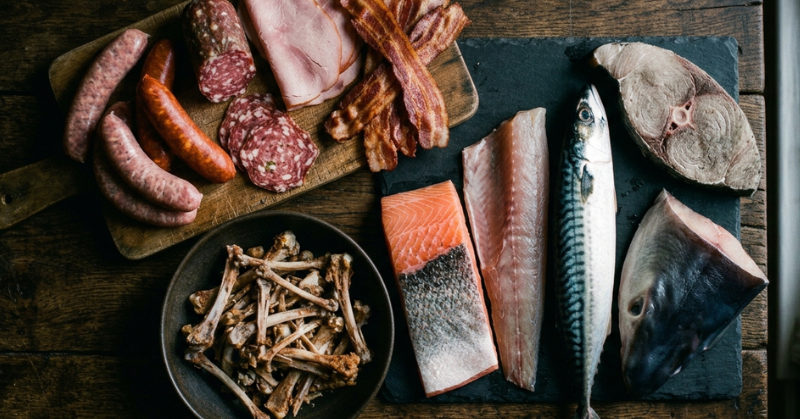
Examples include bacon, ham, sausage, pepperoni, salami, hot dogs, corned beef, and smoked meats. Frequent consumption may contribute to obesity, digestive upset, dehydration, and pancreatitis.
Breaded or Fried Meats
Fried chicken, fried fish, and other breaded meats are poor choices for dogs. These foods are typically high in:
- Fat
- Calories
- Salt
- Oils
- Seasonings
Excessive fat can trigger digestive upset and, in some dogs, pancreatitis (a painful inflammation of the pancreas that requires veterinary care).
Seasoned Meat
Many herbs and spices commonly used in human cooking are inappropriate for dogs. Avoid meat prepared with:
- Garlic
- Onion
- Chives
- Spice rubs
- Marinades
- Chili powder
- Rich gravies
- Cayenne pepper
- Black pepper blends
- Large amounts of salt
Even if the meat itself is safe, the added ingredients may not be.
Fish High in Mercury
Large predatory fish tend to accumulate higher levels of mercury over their lifetime. Dogs should avoid eating these fish regularly. Instead, choose lower-mercury fish such as salmon, sardines, herring, whitefish, and pollock.
Can Dogs Eat Deli Meat?
No, dogs should not eat deli meat. Although a small bite is unlikely to harm a healthy dog, it is best to avoid deli meat, as it often contains:
- High sodium
- Preservatives
- Nitrates or nitrites
- Garlic powder
- Onion powder
- Added sugars
- Smoke flavorings
These ingredients offer little nutritional benefit and can contribute to long-term health problems if fed regularly.
What Dog Owners Often Ask?
Dogs can safely eat cooked salmon, sardines, cod, pollock, herring, whitefish, shrimp, mussels, clams, and small amounts of crab or lobster. Always serve seafood plain, fully cooked, deboned, and without shells or seasonings.
Seafood that is unsafe for your dogs includes raw seafood, smoked or fried seafood, seasoned shellfish, and high-mercury fish like swordfish, shark, king mackerel, marlin, and tilefish from the Gulf of Mexico.
Dogs should not eat swordfish, shark, king mackerel, marlin, tilefish from the Gulf of Mexico, or raw fish due to the risks of high mercury, parasites, and harmful bacteria.
Dogs can eat plain, cooked chicken, turkey, lean beef, lamb, pork loin, venison, rabbit, goat, duck, and bison as part of a balanced diet.
Boiled, baked, steamed, grilled, or poached chicken, turkey, lean beef, lamb, pork, venison, rabbit, goat, duck, and bison are safe when served plain, boneless, and unseasoned.
Dogs should not eat raw meat, processed meats (bacon, sausage, ham, salami, pepperoni), fried meat, seasoned meat, or meat with cooked bones.
Plain boiled or baked chicken breast is one of the best home-cooked meats for dogs. Turkey, lean beef, and salmon are also excellent choices.
Yes, dogs can eat plain, lean hamburger meat if it is fully cooked and free from salt, onions, garlic, and seasonings. Don’t forget to drain excess fat before serving.
Yes, deer meat (venison) is safe for dogs when it is fully cooked, boneless, and unseasoned. It is a lean, high-protein meat that’s often used in limited-ingredient diets.
Yes, dogs can eat fresh coconut meat in small amounts. It is non-toxic but high in fat and fiber, so too much may cause digestive upset.
No, it is best to avoid gyro meat. It is typically high in fat, salt, and seasonings like garlic and onion, which can be harmful to dogs.
No, dogs should not eat taco meat because it usually contains onions, garlic, chili powder, salt, and other spices that can upset their stomach or be toxic.
Yes, dogs can eat plain, cooked rib meat occasionally if it is trimmed of excess fat and served without bones or seasonings. Never give cooked rib bones to your canine.
Yes, dogs can eat previously frozen meat once it has been safely thawed and thoroughly cooked. Avoid feeding frozen raw meat unless advised by your vet.
Neither seafood nor meat is inherently better. Meat and seafood offer different nutritional benefits. Lean meats provide excellent protein and essential amino acids, while many fish also supply omega-3 fatty acids that support skin, coat, brain, and joint health. Offering a variety of safe protein sources can help provide a broader range of nutrients.
Yes, cooked meat is better than raw meat for most households. Cooking significantly reduces the risk of harmful bacteria and parasites while making the food safer to handle.
Yes, puppies can eat meat. They need high-quality protein to support healthy growth and development. Any meat offered should be:
- Fully cooked
- Plain
- Boneless
- Introduced gradually
Puppies should continue eating a complete puppy food formulated to meet their nutritional needs.
Yes, senior dogs can eat seafood. They benefit from fish because omega-3 fatty acids help support joint health, brain function, and skin condition. Always choose cooked, deboned fish served in moderation.
Yes, dogs can eat canned fish, but make sure it is packed in water with no added seasonings, salt, or oil. Plain canned sardines are often a better choice than canned tuna because they generally contain less mercury.
Yes, dogs can eat organ meats when fed in moderation. Organ meats such as liver, heart, and kidney are highly nutritious and provide vitamins and minerals. However, they should be fed as part of a balanced diet because excessive amounts (particularly liver) can provide too much vitamin A.
Key Takeaways
Choosing safe meat and seafood for your dog doesn’t have to be complicated. Focus on fresh, high-quality proteins that are cooked thoroughly, served plain, and free from bones and harmful seasonings. The best options include:
- Chicken
- Turkey
- Lean beef
- Lamb
- Venison
- Rabbit
- Bison
- Goat
- Salmon
- Sardines
- Shrimp
- Mussels
- Clams
Avoid processed meats, cooked bones, heavily seasoned dishes, fried foods, and fish with high mercury levels. Whenever you introduce a new protein, offer a small amount first and monitor your dog for any signs of digestive upset or allergic reactions.
If your dog has a medical condition or requires a homemade diet, work with your veterinarian or a board-certified veterinary nutritionist to ensure their meals remain complete and balanced.
By choosing safe protein sources and preparing them correctly, you can confidently add variety to your dog’s diet while supporting their long-term health and well-being.