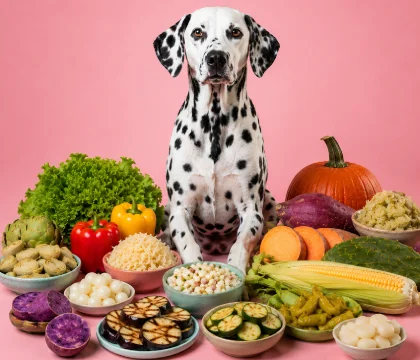
Vegetables can be a healthy addition to your dog’s diet—but not all veggies are created equal. Some are packed with nutrients and safe to feed daily, while others can cause digestive upset or even serious toxicity.
If you are wondering what vegetables can dogs eat, this complete guide breaks it down clearly—so you can confidently choose what’s safe, what to avoid, and how to serve vegetables the right way.Looking for the complete guide to all human foods? Don’t miss our main pillar page: What Human Foods Can Dogs Eat?
Why Feed Vegetables to Dogs?
Dogs are omnivores, which means they can benefit from plant-based foods in moderation alongside their regular diet. While meat remains the primary source of nutrition, vegetables can act as a valuable supplement that supports overall health and well-being.
Key Benefits of Vegetables
- Rich in vitamins (A, C, K): Help support vision, skin health, and immune function
- Provide fiber for digestion: Aids in smoother bowel movements and gut health
- Low-calorie snack option: Great for weight control and reducing excess calorie intake
- Support immune health: Antioxidants help protect against illness and inflammation
- Add hydration: Many vegetables (like cucumbers) contain high water content
- Promote chewing behavior: Crunchy veggies can support dental health
Real-World Example
If your dog begs for snacks frequently, replacing high-calorie treats with carrot sticks or green beans can reduce calorie intake without sacrificing satisfaction. Over time, this simple swap can help prevent weight gain while still keeping your dog happy and full.
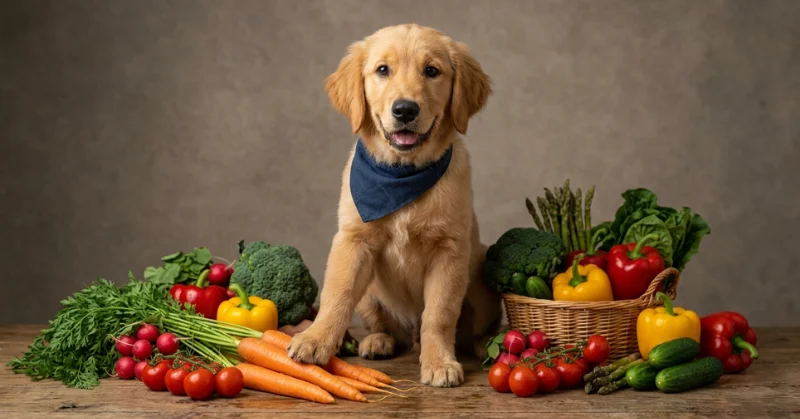
What Vegetables Can Dogs Eat Safely?
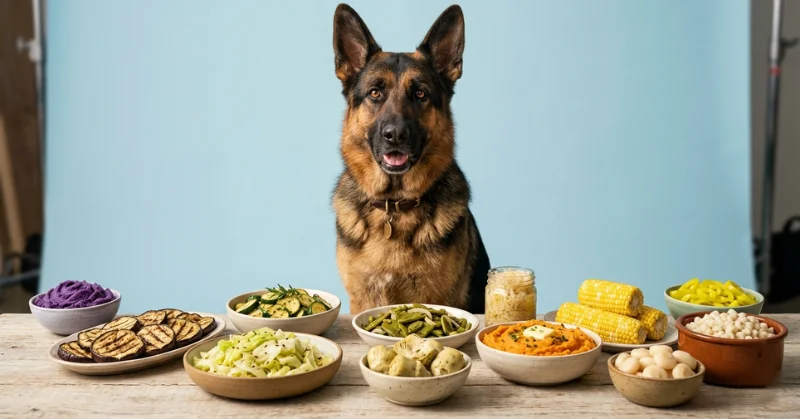
Before going into the details of what kind of vegetables can dogs eat, let’s first look at a quick reference table presenting the best vegetables for dogs.
| Vegetable | Safe Form | Key Benefits | Important Notes |
| Ube | Cooked, plain | Antioxidants, fiber, immune support | Avoid sugary desserts or processed ube products |
| Eggplant | Cooked, small portions | Fiber, antioxidants | May cause sensitivity in some dogs (nightshade family) |
| Zucchini | Raw or cooked | Low-calorie, hydration, easy digestion | One of the safest everyday veggies |
| Cabbage | Cooked, small portions | Vitamins C & K, digestion support | Can cause gas if overfed |
| Artichokes | Cooked, plain | Fiber, antioxidants, liver support | Remove tough leaves; avoid canned versions |
| Nopales | Cooked, cleaned | Fiber, hydration, antioxidants | Must be de-spined and fully cooked |
| Sauerkraut | Plain, unsalted (small amounts) | Probiotics for gut health | High sodium store versions are unsafe |
| Sweet Potatoes | Cooked only | Vitamin A, fiber, digestive health | Never feed raw or seasoned |
| Corn | Cooked or raw kernels | Energy, fiber | Never feed corn on the cob (choking risk) |
| Banana Peppers | Raw or cooked (mild) | Vitamins, antioxidants | May cause stomach sensitivity in some dogs |
| Water Chestnuts | Peeled, raw or cooked (small pieces) | Hydration, fiber, low-calorie crunch | Must be cut into small pieces to avoid choking |
| Hominy | Cooked, plain | Energy (carbs), mild fiber | Low nutritional density; only occasional treat |
Now, let’s look at each vegetable separately to understand what vegetables can my dog eat better.
Ube
Ube is safe for dogs when cooked and served in moderation. This starchy root vegetable is rich in antioxidants, fiber, and vitamin C, which can support your dog’s immune system. However, it should always be plain—avoid sugary ube desserts or processed forms, as added sugar can be harmful to dogs.
Eggplant
Eggplant is generally safe for dogs in small amounts, especially when cooked. It contains fiber and antioxidants, but some dogs may be sensitive to nightshade vegetables, which can cause mild digestive upset. Always serve it plain and cooked, as raw eggplant can be harder to digest.
Zucchini
Zucchini is one of the best low-calorie vegetables for dogs and is safe both raw and cooked. It is easy to digest, high in water content, and a great option for overweight dogs. Just cut it into small pieces to prevent choking and avoid seasoning.
Cabbage
Both red and green cabbage are safe for dogs when fed in moderation. They are rich in vitamins C and K and support digestive health. However, feeding too much cabbage may cause gas or bloating, so it is best served in small, cooked portions.
Artichokes
Artichokes are safe for dogs when cooked and served plain. They contain antioxidants, fiber, and essential nutrients that support liver and digestive health. Be sure to remove tough outer leaves and avoid canned or marinated versions with added salt or spices.
Nopales
Cooked nopales are safe for dogs in moderation and are known for their high fiber and antioxidant content. They can support digestion and hydration, but should always be cleaned properly (to remove spines) and cooked without seasoning before feeding.
Sauerkraut
Sauerkraut can be safe for dogs in very small amounts, but only if it is plain and unseasoned. It contains probiotics that may support gut health, but most store-bought versions are high in sodium and may include ingredients like garlic, which are unsafe for dogs.
Sweet Potatoes
Cooked sweet potatoes are highly nutritious and safe for dogs. They are rich in fiber, vitamin A, and antioxidants, making them great for digestion and immune health. Never feed them raw, as they are difficult to digest, and always serve them plain without sugar or spices.
Corn
Corn is safe for dogs in small portions, whether raw or cooked, as long as it is removed from the cob. It provides carbohydrates, fiber, and some protein. However, corn cobs are a choking hazard and can cause intestinal blockage, so they should always be avoided.
Banana Peppers
Banana peppers (also known as yellow wax peppers or banana chillies) are safe for dogs in moderation. They are mild compared to other peppers and contain vitamins and antioxidants. Still, they should be given sparingly, as some dogs may be sensitive to peppers, leading to mild stomach upset.
Water Chestnuts
Water chestnuts are safe for dogs in small quantities and can be a crunchy, hydrating snack. They are low in calories and contain fiber and potassium. Always serve them peeled and in bite-sized pieces to avoid choking risks.
Hominy
Hominy is safe for dogs when cooked plainly and served in moderation. Although technically a whole grain, it is often treated like a starchy vegetable. It provides energy through carbohydrates but offers limited nutritional value, so it should only be an occasional addition to your dog’s diet.
Now, you are well familiar with the list of vegetables dogs can eat safely in moderation. The next section is about understanding unsafe vegetables good for dogs.
What Vegetables Can Dogs Not Eat?
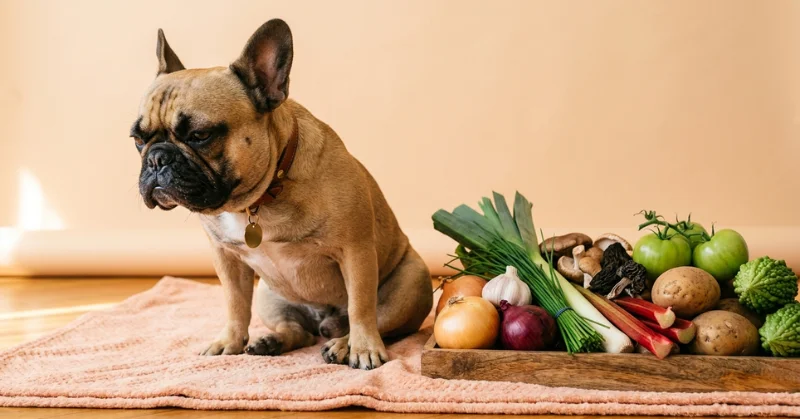
Before getting into the details of vegetables dogs should avoid, let’s look at a quick reference table for better understanding.
| Vegetable | Why It’s Dangerous | Symptoms | Severity |
| Onions | Damages red blood cells (can cause hemolytic anemia) | Weakness, pale gums, vomiting | High |
| Garlic | Toxic compounds destroy red blood cells over time | Lethargy, vomiting, anemia | High |
| Leeks | Same toxic compounds as onions/garlic | Digestive upset, weakness | High |
| Chives | Contains organosulfur compounds harmful to dogs | Vomiting, diarrhea, anemia | High |
| Wild Mushrooms | Some species contain deadly toxins | Seizures, liver failure, death | Very High |
| Rhubarb | Contains oxalates that affect kidneys | Drooling, tremors, kidney issues | High |
| Raw Potatoes | Solanine toxin in raw/green potatoes | Vomiting, confusion, weakness | High |
| Green Tomatoes | High solanine levels in unripe fruit | Gastrointestinal distress | Moderate to High |
| Cassava (Raw / Improperly Prepared) | Contains cyanogenic compounds that release cyanide if not properly processed | Vomiting, weakness, seizures | Very High |
| Bitter Melon (raw/excess) | Can irritate digestive system in dogs | Vomiting, diarrhea, cramps | Moderate |
Below is a brief description of what vegetables can dogs not eat or unhealthy vegetables to feed dogs. Read more to understand what makes them all unsafe.
Green Onions
Green onions (also called scallions) are unsafe for dogs because they belong to the same Allium family as onions, garlic, leeks, and chives. They contain organosulfur compounds that can damage a dog’s red blood cells, leading to a serious condition called hemolytic anemia. Even small amounts—whether raw, cooked, or dried—can be harmful, especially with repeated exposure.
Symptoms may include vomiting, diarrhea, weakness, pale gums, and lethargy. Because toxicity can build up over time, green onions should always be completely avoided in a dog’s diet.
Cassava (Raw / Improperly Prepared)
Cassava contains cyanogenic compounds that can release cyanide if not properly processed. In dogs, raw or improperly prepared cassava can cause severe poisoning, including vomiting, weakness, difficulty breathing, and even neurological damage. Proper cooking is essential, but raw cassava should always be considered highly dangerous.
Garlic
Garlic is even more concentrated in toxic compounds than onions and can seriously harm a dog’s red blood cells over time. Regular or large intake can lead to anemia, weakness, and digestive upset. Even small repeated amounts (like in flavored foods) can build up toxicity, making garlic dangerous in all forms.
Leeks
Leeks belong to the same plant family as onions and garlic and contain similar toxic compounds that damage red blood cells. Dogs that consume leeks may develop symptoms like vomiting, diarrhea, weakness, and signs of anemia. They remain unsafe whether raw or cooked.
Chives
Chives are another member of the Allium family and are toxic to dogs even in small quantities. They can cause oxidative damage to red blood cells, leading to anemia. Common signs include digestive upset, lethargy, and reduced appetite. Chives should always be avoided in any form.
Wild Mushrooms
Wild mushrooms are extremely dangerous because many species contain powerful toxins that can cause severe poisoning. Effects range from vomiting and diarrhea to seizures, liver failure, or even death. Since it is nearly impossible to identify safe vs toxic wild mushrooms without expertise, all wild varieties should be considered unsafe.
Rhubarb
Rhubarb contains oxalates, which can interfere with calcium levels and damage kidney function in dogs. If consumed, it may lead to drooling, tremors, weakness, or serious kidney complications. Both the leaves and stalks can be harmful, making rhubarb unsafe for canine consumption.
Raw Potatoes
Raw potatoes contain solanine, a natural toxin that can be harmful to dogs. This compound is especially concentrated in green or sprouted potatoes. Eating raw potatoes may cause vomiting, confusion, digestive distress, and in severe cases, neurological issues. Cooked potatoes without seasoning are safer, but raw ones should always be avoided.
Green Tomatoes
Unripe green tomatoes contain higher levels of solanine, which can cause toxicity in dogs. Consumption may result in gastrointestinal upset such as vomiting, diarrhea, and abdominal discomfort. While ripe tomatoes are generally safe in moderation, green ones should be strictly avoided.
Bitter Melon (Raw or Excess Amounts)
Bitter melon is not directly toxic but can cause digestive irritation in dogs, especially when eaten raw or in large amounts. It may lead to vomiting, diarrhea, and stomach cramps. While small cooked portions are sometimes tolerated, excessive consumption is unsafe and can upset the digestive system.
What Legumes Can Dogs Eat Safely?
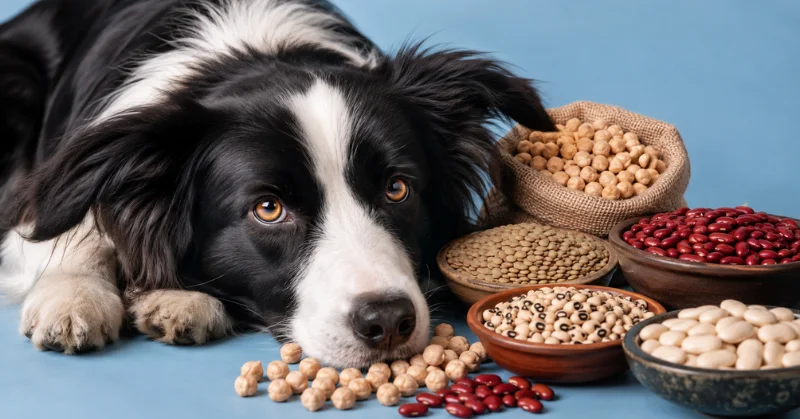
Legumes can offer plant-based protein, dietary fiber, vitamins, and low-fat nutrition. Below is a list of legumes you can feed dogs safely. Remember to keep the portions small.
Chickpeas
Chickpeas are safe for dogs when freshly prepared and thoroughly cooked. They are a good source of plant-based protein, fiber, and essential minerals like iron and potassium, which can support energy and digestion. However, they should always be served plain—avoid canned chickpeas with added salt or preservatives, as well as seasoned dishes like hummus. Feed in small amounts to prevent gas or bloating.
Lentils
Lentils are safe and non-toxic for dogs when properly cooked and served in moderation. They are rich in protein, fiber, and nutrients like folate and iron, which can support overall health. Cooked lentils are easier to digest, while raw or undercooked lentils may cause digestive discomfort. As with all legumes, they should be plain and introduced gradually into your dog’s diet.
Red Beans (Kidney Beans)
Red beans are safe for dogs only when fully cooked. Raw or undercooked kidney beans contain toxins that can be harmful, but proper cooking eliminates these risks. Once cooked, they provide fiber, protein, and antioxidants that support digestion and overall health. Always serve them plain—without salt, spices, or sauces—and limit portion sizes (moderation is key) to avoid stomach upset.
Black Eyed Peas
Black-eyed peas are safe for dogs in moderation and can be a healthy occasional treat. They are a good source of fiber, plant protein, and essential vitamins that support digestion and energy levels. Make sure they are thoroughly cooked and served plain, as added seasonings or salt can be harmful. Like other legumes, overfeeding may lead to gas or digestive discomfort.
Cannellini Beans
Cannellini beans are safe for dogs (in moderation) when thoroughly cooked and served plain. They offer a good balance of fiber, protein, and minerals like magnesium, which can support muscle and nerve function. Avoid canned versions with added sodium or flavorings, and never serve them with garlic or spices. When given in small portions, they can be a nutritious addition to your dog’s diet.
What Legumes Can Dogs Not Eat?
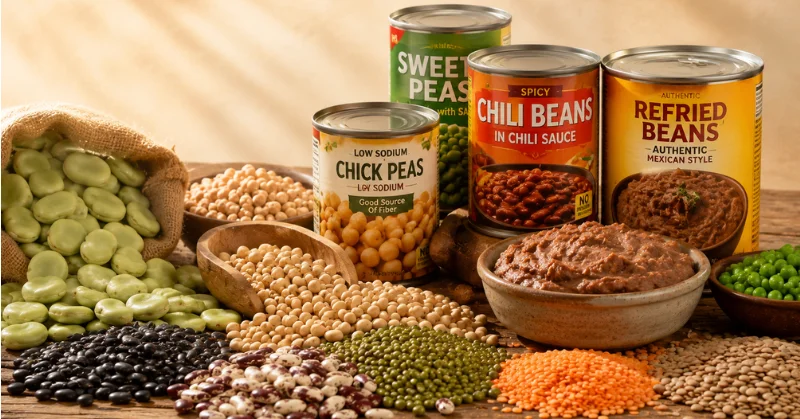
Below is a list of the legumes you can’t feed to your dogs.
Raw or Undercooked Beans
Raw or undercooked beans are unsafe for dogs because they contain natural toxins like lectins, which can interfere with digestion and cause serious gastrointestinal upset. These compounds are only neutralized through proper cooking. If a dog consumes raw or partially cooked beans, it may experience vomiting, diarrhea, abdominal pain, and weakness.
Canned Legumes with Additives
Canned legumes are often packed with added salt, preservatives, and sometimes harmful ingredients like garlic or onion powder—all of which can be dangerous for dogs. Excess sodium alone can lead to dehydration or even sodium poisoning in severe cases. If feeding canned legumes, they must be thoroughly rinsed and completely free from additives, though fresh-cooked options are always safer.
Soyabeans
Soybeans are not toxic but can be problematic for many dogs, especially in large amounts. They are a common allergen and may cause digestive issues such as gas, bloating, or diarrhea. Additionally, soy-based products can interfere with nutrient absorption if overfed, making them unsuitable as a regular part of a dog’s diet.
Fava Beans
Fava beans can be risky for dogs because they contain compounds that may trigger digestive upset or, in rare cases, affect red blood cells in sensitive animals. While not as widely toxic as some other foods, they are harder to digest and can cause symptoms like vomiting, diarrhea, and lethargy if consumed in significant amounts.
Refried Beans
Refried beans are unsafe for dogs due to the way they are prepared. They typically contain high amounts of fat, salt, and seasonings such as garlic and onion, which are toxic to dogs. Feeding refried beans can lead to digestive distress, pancreatitis, or toxicity-related symptoms, making them unsuitable for canine consumption.
Large Quantities of Peas or Lentils
While peas and lentils are safe in small amounts, feeding them in large quantities can cause digestive problems like gas, bloating, and diarrhea. Overconsumption may also disrupt the nutritional balance of your dog’s diet. In some cases, excessive reliance on legumes has been linked to concerns about heart health, so moderation is key.
Raw vs Cooked vs Canned vs Frozen Veggies for Dogs
How you prepare vegetables matters just as much as which ones you choose.
| Type | Safe | Pros | Cons | Best Use |
| Raw | Yes (most) | Crunchy, nutrient-rich | Hard to digest for some dogs | Carrots, cucumbers |
| Cooked | Best | Easier digestion | Nutrient loss if overcooked | Sweet potatoes, spinach |
| Frozen | Yes | Convenient, retains nutrients | Can be hard/icy | Thawed peas, beans |
| Canned | Limited | Easy storage | High sodium, additives | Only plain, unsalted |
Important Tip: Always avoid butter, oil, salt, or spices when preparing vegetables for dogs.
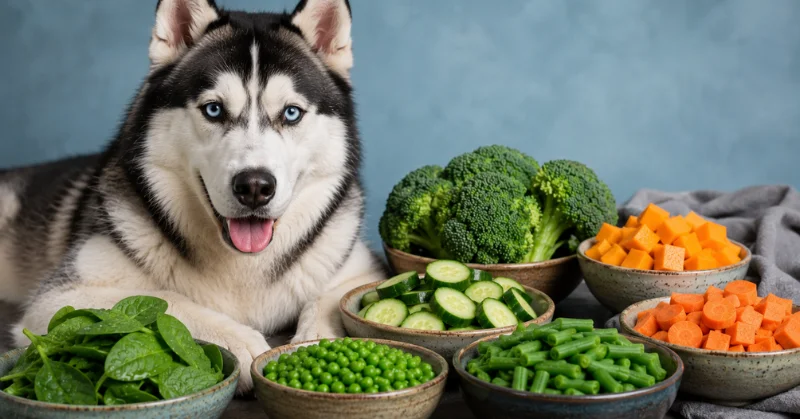
Best Vegetables for Dogs by Health Goals
Different vegetables play different roles in maintaining a dog’s health. Let’s take a look at a few of them.
i) Immune Support
- Spinach
- Broccoli
- Peas
They are packed with antioxidants
ii) Weight Loss
- Green beans
- Cucumbers
- Zucchini
They have low-calorie and filling
iii) Digestive Health
- Pumpkin
- Sweet potatoes
- Carrots
They help with constipation or diarrhea
How to Feed Vegetables to Dogs Safely?
Follow these simple rules to avoid problems:
- Introduce new vegetables slowly
- Cut into small, bite-sized pieces
- Cook hard vegetables for easier digestion
- Avoid seasoning completely
- Keep veggies for dogs under 10% of daily diet
Real-Life Vegetable Feeding Examples
A few examples of “how should dogs eat vegetables” are as follows.
i) Homemade Veggie Mix
A simple dog-safe mix:
- Steamed carrots
- Green beans
- Sweet potatoes
Mash lightly and mix with kibble
ii) Healthy Snack Swap
Instead of store-bought treats, give your dog:
- A few carrot sticks
- Sliced cucumbers
Reduces calorie intake and improves dental health
iii) Digestive Support Meal Add-On
If your dog has mild constipation:
- Add 1-2 tablespoons of plain pumpkin to meals
Works as a natural fiber boost
Common Mistakes Dog Owners Often Make
- Feeding seasoned vegetables (salt, spices)
- Giving too much fiber at once
- Assuming all “healthy” vegetables are safe
- Feeding onions/garlic unknowingly in leftovers
Can Dogs Eat Mixed Vegetables?
Yes—but only if all ingredients are safe.
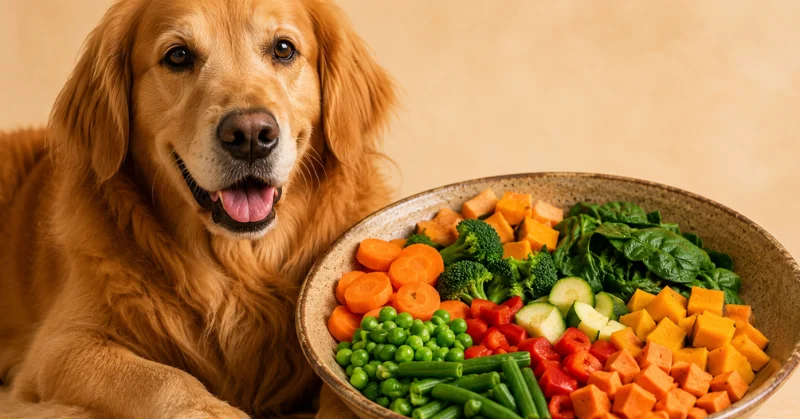
Safe Mixed Veggies Include
- Carrots + peas + green beans
- Pumpkin + sweet potato
Avoid Mixed Veggies With
- Onion powder
- Garlic seasoning
- Sauces or butter
Final Words
Understanding what vegetables can dogs eat and what vegetables can dogs not eat makes a big difference in keeping your dog healthy and safe. While dogs don’t need vegetables to survive, the right choices can add valuable nutrients, fiber, and variety to their diet.
There are plenty of vegetables good for dogs—from carrots and green beans to sweet potatoes and zucchini. These are some of the best vegetables for dogs because they are easy to digest, low in calories, and packed with vitamins.
If you are wondering what vegetables can dogs eat every day, stick to simple, dog-friendly vegetables served plain and in moderation.
Frequently Asked Questions (FAQs)
Yes, dogs can eat frozen vegetables as long as they’re plain (no salt, butter, or seasoning). You can serve them thawed or slightly cooked to make digestion easier. Safe options include frozen carrots, peas, green beans, and broccoli. Avoid frozen mixes with onions, garlic, or sauces.
Dogs can safely eat several raw vegetables in moderation, such as carrots, cucumbers, green beans, zucchini, and bell peppers. Always wash them well and cut into small, bite-sized pieces to prevent choking. Avoid toxic options like onions, garlic, and raw potatoes.
Dogs can eat some canned vegetables, but only if they’re plain and low in sodium. Safe options include canned green beans, peas, carrots, and pumpkin (100% pure, not pie filling). Always rinse them to remove excess salt and avoid any cans with added seasoning, sauces, onions, or garlic.
Yes, cooked vegetables are safe for dogs and often easier to digest than raw ones. Stick to plain cooking methods like steaming or boiling, and avoid adding salt, oil, butter, garlic, or onions. Safe options include carrots, green beans, broccoli, and zucchini.
Yes, but in moderation. Vegetables should not replace a balanced dog diet.
Pumpkin, carrots, and green beans are among the best due to digestibility and nutrients.
Yes, but in smaller amounts and softer textures.