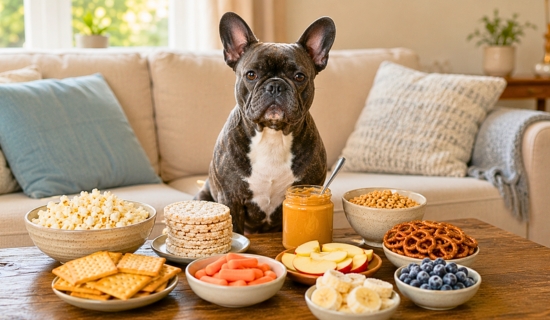
Giving your dog a snack is one of the easiest ways to strengthen your bond. Whether you’re rewarding good behavior, hiding medication, providing mental enrichment, or simply sharing a small bite during family time, the right snack can be both enjoyable and nutritious. However, not every food that humans consider a snack is safe for your canines.
Many pet owners ask questions like what human snacks can dogs eat, what snacks can dogs eat, or even what junk food can dogs eat. Others want to know what frozen snack can dogs eat during hot weather, what vegetables can dogs eat for snacks, or what snacks can a diabetic dog eat without affecting blood sugar.
There is so much conflicting advice online, and pet owners often become confused about which foods dogs can and can’t eat. The good news is that dogs can safely enjoy many wholesome snacks when they are chosen carefully and served in moderation.
This guide explains how to choose safe and healthy snacks for your dog. It talks about the best human foods to share, nutritious frozen treats for summer, healthy snacks for puppies, diabetic-friendly options, homemade snack ideas, and which junk foods should always be avoided.
What Counts as a Snack for Dogs?
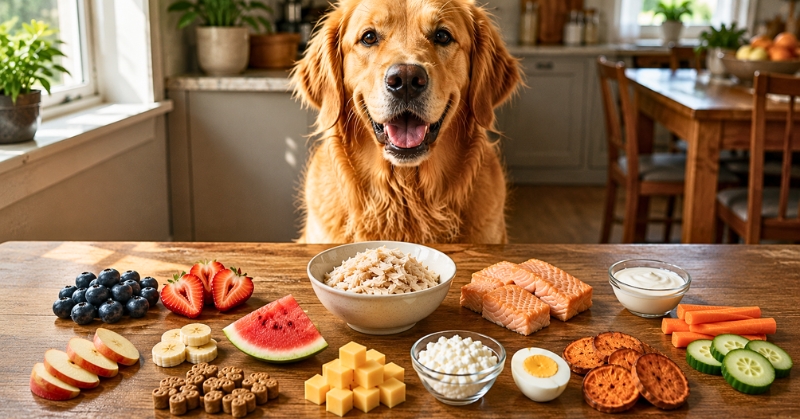
A snack is any food given outside of your dog’s regular diet or meals. While many people use the terms “snack” and “treat” interchangeably, snacks are often larger or more nutritious foods that can provide additional health benefits beyond simple rewards. Two of the dog-friendly snacks include fresh fruits (such as apples and blueberries) and crunchy vegetables (like carrots and cucumbers).
Why Healthy Snacks Matter?
Feeding nutritious snacks keeps your dog away from unhealthy foods and supports your dog’s overall well-being. The best healthy snacks for dogs provide several benefits, including:
- Additional vitamins and minerals.
- Dietary fiber for healthy digestion.
- Lean protein to support muscle maintenance.
- Hydration from water-rich fruits and vegetables.
- Mental enrichment through chewing and food puzzles.
Healthy snacks can also help diversify your dog’s diet without replacing complete and balanced meals.
The 10% Rule for Dog Snacks
One of the most important feeding guidelines is the 10% rule. Vets generally recommend that treats and snacks make up no more than 10% of your dog’s daily calorie intake, while the remaining 90% should come from a complete and balanced dog food.
What Human Snacks Can Dogs Eat?
Some human foods offer valuable nutrients such as fiber, vitamins, antioxidants, healthy fats, and lean protein that can complement your dog’s regular diet.
However, “safe” doesn’t always mean “healthy in unlimited amounts.” Even nutritious foods should only be occasional treats and should never replace a complete and balanced dog food.
The table below highlights some of the best human snacks dogs can eat, along with serving recommendations and important safety notes.
| Human Snack | Safe for Dogs? | Recommended Serving | Benefits |
| Apple slices (seedless) | Yes | A few thin slices | Rich in fiber and vitamins A and C |
| Banana | Yes | A few small slices | A good source of potassium and vitamin B6 |
| Blueberries | Yes | A small handful | Packed with antioxidants and low in calories |
| Watermelon (seedless) | Yes | Bite-sized cubes | Hydrating and refreshing, especially during summer |
| Strawberries | Yes | 1-3 berries, depending on size | Provide vitamin C, fiber, and antioxidants. |
| Plain pumpkin | Yes | 1-2 teaspoons for small dogs; up to 1 tablespoon for larger dogs | Supports healthy digestion and provides fiber. |
| Cooked sweet potato | Yes | Small cubes | Rich in fiber, beta-carotene, and vitamins. |
| Plain popcorn (air-popped) | Yes | A few pieces | An occasional crunchy snack if unsalted, unbuttered, and free from unpopped kernels |
| Plain rice cakes | Yes | Small pieces | Low in fat but offers limited nutrition |
| Plain yogurt | Yes (if tolerated) | 1-2 teaspoons for small dogs; up to 2 tablespoons for large dogs | Contains calcium and probiotics |
| Cottage cheese | Yes (occasionally) | Small spoonful | A good source of protein and calcium |
| Cheese | Yes (in moderation) | Small cubes | Rich in protein, calcium, and vitamins A and B |
| Cooked chicken breast | Yes | Small bite-sized pieces | Excellent lean protein for training rewards or snacks |
| Cooked turkey | Yes | Small pieces | Lean, protein-rich snack |
| Cooked eggs | Yes | ½ to 1 egg, depending on dog size | A nutritious source of protein, vitamins, and healthy fats |
| Peanut butter (xylitol-free) | Yes | About ½ teaspoon for small dogs; up to 1 teaspoon for large dogs | Rich in protein and healthy fats |
| Unsalted green beans | Yes | A small handful | Low in calories and high in fiber |
| Carrot sticks | Yes | Several small sticks | Crunchy, low-calorie, and great for dental health. |
| Cucumber slices | Yes | A few slices | Hydrating and low in calories, ideal for overweight dogs. |
What Healthy Snacks Can Dogs Eat?
When choosing snacks for your dog, the healthiest options are usually simple, minimally processed foods that provide real nutritional value. While commercial treats can be convenient, many whole foods found in your kitchen can be equally nutritious.
The best healthy snacks for dogs are rich in vitamins, minerals, antioxidants, lean protein, and fiber without containing excessive salt, sugar, unhealthy fats, or artificial additives. Below are some of the healthiest snacks for dogs.
1. Fresh Fruits
Many fruits make excellent healthy dog snacks because they are naturally packed with vitamins, antioxidants, and water. They also satisfy a dog’s sweet tooth without the artificial ingredients found in many processed treats. Some of the best fruits include:
- Blueberries: Rich in antioxidants that help protect cells from oxidative damage.
- Apples (seedless): Provide fiber and vitamins A and C while adding a satisfying crunch.
- Bananas: Contain potassium, vitamin B6, and magnesium, but should be served sparingly due to their natural sugar content.
- Watermelon (seedless): A refreshing, hydrating snack that’s especially popular during warm weather.
- Strawberries: Offer vitamin C, fiber, and beneficial plant compounds.
2. Nutritious Vegetables
Vegetables are among the healthiest snacks for dogs on a diet because they are generally low in calories while providing fiber, vitamins, and minerals. Wondering what vegetables can dogs eat for snacks? Great vegetable snacks include zucchini, sweet potatoes, celery, carrots, pumpkin, cucumbers, green beans, and bell peppers.
3. Lean Protein Snacks
Protein supports muscle maintenance, healthy skin, immune function, and energy production, which makes lean meats some of the best snacks for dogs. Healthy protein choices include:
- Plain cooked chicken breast
- Plain cooked turkey
- Lean beef (trimmed of excess fat)
- Cooked salmon (boneless)
- Cooked eggs
- Freeze-dried meat treats with a single ingredient
4. Healthy Dairy Options
Not every dog tolerates dairy well, but those that do can enjoy certain dairy products in moderation. Good choices include plain unsweetened yogurt, cottage cheese, and small cubes of cheese. Plain yogurt contains beneficial probiotics that may support digestive health, while cottage cheese provides protein and calcium.
5. Homemade Healthy Dog Treats
Preparing snacks at home gives you complete control over the ingredients while avoiding unnecessary preservatives and additives. Simple homemade snacks include frozen pumpkin cubes, banana and oat bites, baked sweet potato chips, peanut butter oat biscuits, frozen yogurt treats, and homemade chicken jerky.
6. Freeze-Dried and Dehydrated Snacks
If you are looking for convenient store-bought options, freeze-dried or dehydrated treats are often among the healthiest dog snacks available. Look for products with one or very few ingredients, no artificial preservatives, no added salt or sugar, no fillers or by-products, and clearly identified meat sources. Popular choices include freeze-dried chicken, beef liver, salmon, turkey, and lamb.
Some freeze-dried meat treats contain raw animal ingredients and may carry harmful bacteria, including Salmonella. Freeze-drying does not reliably eliminate all pathogens. Wash your hands after handling pet treats.
7. Low-Calorie Snacks for Dogs on a Diet
If your dog needs to lose weight, healthy snacking is still possible. You simply need to choose foods that are filling without adding many calories. Some of the best healthy snacks for dogs on a diet include green beans, carrot sticks, cucumber slices, celery, pumpkin puree, and lettuce.
What Frozen Snacks Can Dogs Eat?
Frozen snacks are more than just a summertime treat; they are a fun way to keep your dog hydrated and mentally stimulated. The table below shows the best frozen snacks for dogs.
| Frozen Snack | Safe for Dogs? | Benefits | Serving Tips |
| Frozen blueberries | Yes | Rich in antioxidants, fiber, and vitamin C | Serve a small handful as bite-sized treats. |
| Frozen banana slices | Yes | Provide potassium and natural sweetness | Offer a few slices occasionally because bananas are relatively high in sugar. |
| Frozen watermelon cubes (seedless) | Yes | Extremely hydrating and low in calories | Remove all seeds and rind before freezing. |
| Frozen strawberries | Yes | High in vitamin C and antioxidants | Cut large berries into smaller pieces for easier chewing. |
| Frozen apple slices (seedless) | Yes | Provide fiber and vitamins A and C | Remove the core and seeds before freezing. |
| Frozen carrot sticks | Yes | Crunchy, low-calorie snack that supports dental health | Suitable for most adult dogs; supervise enthusiastic chewers. |
| Frozen green beans | Yes | Low-calorie source of fiber and vitamins | Excellent choice for overweight dogs. |
| Frozen pumpkin puree cubes | Yes | Supports healthy digestion | Freeze plain pumpkin puree in ice cube trays. |
| Frozen plain yogurt cubes | Yes (if tolerated) | Provide calcium and probiotics | Use plain, unsweetened yogurt with no xylitol or added sugar. |
| Frozen bone broth cubes | Yes | Encourages hydration and adds flavor | Use low-sodium broth made without onions or garlic. |
Frozen Snacks for Puppies
Many puppies enjoy frozen snacks because they soothe irritated gums during teething. Safe puppy-friendly options include:
- Frozen carrot sticks
- Frozen banana slices
- Frozen pumpkin cubes
- Frozen plain yogurt
- Frozen blueberries
Always supervise puppies while they are eating frozen snacks, and choose appropriately sized snacks to reduce the risk of choking.
Frozen Snacks for Dogs on a Diet
Dogs that need to lose weight don’t have to miss out on frozen treats. Some excellent low-calorie choices include:
- Frozen carrots
- Frozen green beans
- Frozen cucumber slices
- Frozen zucchini pieces
- Frozen pumpkin cubes
- Ice cubes flavored with low-sodium broth
These options provide cooling enrichment without adding many calories.
What Snacks Can a Diabetic Dog Eat?
While healthy treats can still be part of your dog’s routine, they should support stable blood sugar levels rather than cause sudden spikes.
If you are wondering “what snacks can a diabetic dog eat” or “what kind of snacks can a diabetic dog eat,” the answer depends on several factors, including your dog’s insulin schedule, weight, activity level, and overall health.
Every diabetic dog is different, so it is essential to work with your vet to make a feeding plan that fits your dog’s specific needs. In general, diabetic-friendly snacks should be:
- Low in sugar
- Moderate to low in carbohydrates
- High in fiber when appropriate
- Rich in lean protein
- Low in unhealthy fats
- Consistent in portion size
The goal is to provide occasional treats without disrupting your dog’s blood glucose management.
Best Snacks for Diabetic Dogs
The following snacks are commonly recommended because they are relatively low in sugar and can fit into many diabetic dogs’ meal plans when approved by a vet.
| Snack | Generally Suitable? | Why It is a Good Choice? |
| Green beans | Yes | Low in calories, high in fiber, and unlikely to cause major blood sugar spikes. |
| Cucumber slices | Yes | Hydrating, crunchy, and naturally low in carbohydrates. |
| Celery | Yes | Low-calorie snack with fiber and a satisfying crunch. |
| Zucchini | Yes | Contains fiber while remaining low in calories and sugar. |
| Carrot slices | In moderation | Slightly higher in natural sugars than some vegetables, but usually fine in small portions. |
| Plain pumpkin | Yes (small amounts) | Rich in fiber, which may support healthy digestion and help dogs feel full. |
| Cooked green peas | In moderation | Provide fiber and protein, but should be portion-controlled because they contain more carbohydrates than leafy vegetables. |
| Plain cooked chicken breast | Yes | Excellent lean protein with virtually no carbohydrates. |
| Cooked turkey breast | Yes | Protein-rich and filling when served plain. |
| Cooked eggs | Yes | High-quality protein and healthy fats with very few carbohydrates. |
These foods are often among the best snacks for diabetic dogs because they provide nutrition without excessive sugar or empty calories.
Healthy Snacks for Puppies
The best healthy snacks for puppies are soft enough for developing teeth, easy to digest, and rich in nutrients that support healthy growth. Snacks should complement your puppy’s complete and balanced puppy food, not replace it.
Best Healthy Snacks for Puppies
Many fresh foods that are safe for adult dogs are also suitable for puppies when served in appropriate amounts. The table below lists the best healthy snacks for your puppies.
| Snack | Safe for Puppies? | Benefits |
| Carrot sticks (small or lightly cooked) | Yes | Great for chewing and rich in beta-carotene. |
| Blueberries | Yes | Bite-sized, antioxidant-rich treats that are easy to feed during training. |
| Apple slices (without seeds) | Yes | Provide fiber and vitamins A and C while offering a satisfying crunch. |
| Banana slices | Yes | Soft, easy to digest, and a good source of potassium. |
| Plain pumpkin | Yes | Supports healthy digestion and provides dietary fiber. |
| Cooked sweet potato | Yes | Rich in vitamins and fiber while being gentle on the stomach. |
| Plain cooked chicken breast | Yes | Lean protein that’s highly rewarding during training sessions. |
| Cooked turkey | Yes | Another excellent source of lean protein. |
| Plain yogurt (if tolerated) | Yes | Provides calcium and probiotics for some puppies. |
| Cooked eggs | Yes | High-quality protein with essential vitamins and minerals. |
These foods make excellent dog-safe snacks for puppies when introduced gradually.
Human Snacks That Should Only Be Occasional Treats
While the foods above are generally safe, some are better enjoyed only once in a while because they are higher in calories, fat, or natural sugars. Examples include:
- Cheese
- Peanut butter
- Bananas
- Cottage cheese
- Rice cakes
- Plain popcorn
These foods can still be part of a healthy diet, but portion control is essential. Overfeeding calorie-dense snacks may contribute to unwanted weight gain, particularly in less active dogs.
Human Snacks You Should Never Share with Your Dog
Not every snack is healthy for your dog. Some common human foods can cause digestive problems, poisoning, or even life-threatening emergencies. Avoid feeding your dog:
- Alcohol
- Fried foods
- Spicy snacks
- Macadamia nuts
- Grapes and raisins
- Foods containing xylitol
- Candy and sugary desserts
- Coffee, tea, and energy drinks
- Highly salted chips and pretzels
- Chocolate and cocoa products
- Onions, garlic, leeks, and chives
If you are ever unsure whether a particular food is safe, it is always better to skip it and choose a proven healthy snack for dogs instead.
What Junk Food Can Dogs Eat?
It is natural to wonder whether sharing “just one bite of pizza” is harmless for your dog. The answer isn’t always straightforward.
If you are asking what junk food can dogs eat, it is important to distinguish between foods that are safe in tiny amounts and foods that are actually healthy.
Most junk food is designed for human taste, not canine nutrition. It often contains excessive salt, sugar, saturated fat, artificial flavorings, preservatives, and seasonings that can upset your dog’s stomach or contribute to long-term health problems.
It is always better to avoid feeding junk food whenever possible. Instead, choose nutritious alternatives that satisfy your dog’s cravings without exposing them to unnecessary risks.
Junk Foods That Are Safe Only in Very Small Amounts
Some processed snacks aren’t toxic to dogs, but that doesn’t mean they should become regular treats.
| Junk Food | Safe? | Why Should It Be Limited? |
| Plain air-popped popcorn | Occasionally | Low in calories, but only if it is unsalted, unbuttered, and free from unpopped kernels. |
| Plain potato chips | Rarely | High in salt and fat. |
| Plain tortilla chips | Rarely | High in sodium and refined carbohydrates with little nutritional value. |
| Plain pretzels | Rarely | Contain large amounts of salt. |
| Plain crackers | Occasionally | Generally non-toxic but usually high in refined flour and sodium. |
| Unsweetened breakfast cereal | Occasionally | Added sugar or artificial ingredients. |
While these foods aren’t immediately poisonous, they should remain rare exceptions rather than routine snacks.
Junk Foods Dogs Should Never Eat
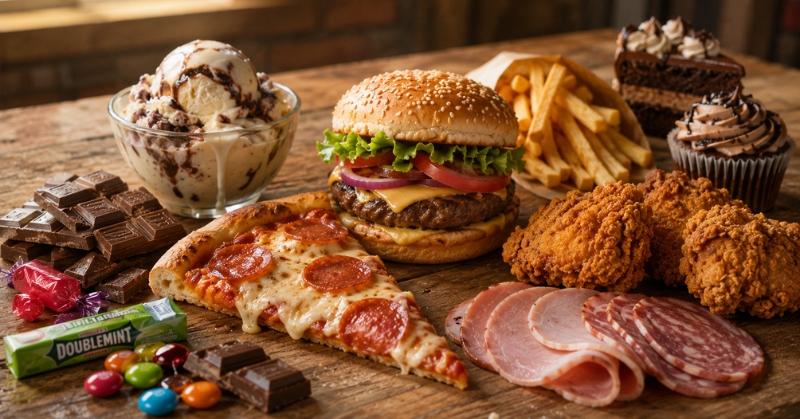
Some popular human junk foods can cause serious illness, even in small amounts. Never share the following junk food with your dog.
Chocolate
Chocolate contains theobromine and caffeine, both of which are toxic to dogs. Even small amounts can lead to vomiting, diarrhea, restlessness, abnormal heart rhythms, seizures, or worse.
Candy and Sugar-Free Gum
Many candies and chewing gums contain xylitol, an artificial sweetener that can cause a rapid drop in blood sugar and severe liver damage in dogs.
Ice Cream
Although a small lick of plain vanilla ice cream may not always cause an emergency, ice cream is generally a poor choice because it is high in sugar and fat.
Pizza
Pizza combines several ingredients that are unsuitable for dogs, including high sodium, excess fat, garlic, onions, rich cheeses, and spicy sauces.
Burgers
Burgers often contain fatty meat, processed cheese, sauces, onions, pickles, and excessive salt. Regular consumption can contribute to obesity and pancreatitis.
French Fries
French fries are deep-fried, high in fat, and heavily salted. While a single fry is unlikely to cause poisoning, they are far from a healthy snack.
Fried Chicken
Fried chicken contains excess fat, salt, and seasoning. Cooked bones also present a serious choking hazard and may splinter, which causes internal injuries.
Processed Meats
Foods such as hot dogs, sausages, bacon, pepperoni, and deli meats contain high levels of sodium, preservatives, and saturated fat. Frequent consumption can negatively affect your dog’s health.
Sugary Desserts
Avoid feeding your dog doughnuts, cakes, cookies, brownies, muffins, and pastries. These foods are typically loaded with sugar and fat, while some may also contain chocolate, raisins, or xylitol.
Homemade Healthy Dog Snacks
Unlike many commercial products, homemade snacks allow you to avoid unnecessary preservatives, artificial colors, excess salt, added sugar, and mystery ingredients. Most healthy dog snacks require only a few simple ingredients you may already have in your kitchen.
Easy Homemade Dog Snacks to Try
Here are some nutritious snack ideas that require minimal preparation.
- Frozen pumpkin yogurt bites
- Baked sweet potato chews
- Peanut butter oat biscuits
- Frozen blueberry banana treats
- Chicken training bites
Homemade vs. Store-Bought Dog Snacks
Both homemade and commercial snacks can be part of a healthy diet, but each has its advantages.
| Homemade Snacks | Store-Bought Snacks |
| Full control over ingredients | Convenient and ready to serve |
| No unnecessary preservatives | Longer shelf life |
| Easy to customize | Wide variety of flavors and textures |
| Often more budget-friendly | Some are specially formulated for dental or training purposes |
| Freshly prepared | Nutritional quality varies between brands |
If you choose commercial snacks, look for products made with simple, high-quality ingredients and avoid those loaded with artificial colors, flavors, fillers, or excessive sodium.
Final Words
Choosing the right snacks for your dog is about more than satisfying their appetite; it is about supporting their long-term health. Fresh fruits, vegetables, lean proteins, homemade treats, and high-quality commercial snacks can all be excellent choices when fed in moderation. On the other hand, processed junk foods, sugary treats, and foods that are toxic to dogs should always stay off the menu.
No matter what snack you choose, follow the 10% calorie rule, serve appropriate portions, and introduce new foods gradually. When in doubt, consult your vet, especially if your dog has a medical condition or special dietary needs. By making informed choices, you can turn snack time into a safe, nutritious, and enjoyable part of your dog’s daily routine.
Frequently Asked Questions (FAQs):
Yes, dogs can occasionally eat plain, air-popped popcorn that’s free from butter, salt, caramel, or other flavorings.
Plain potato chips aren’t toxic, but they’re high in salt and fat, which makes them a poor snack choice.
Most healthy adult dogs do well with one or two small snack sessions per day. Regardless of frequency, treats and snacks should make up no more than 10% of your dog’s daily calorie intake.